
NEWS
How Governor Dauda Lawal Enhanced Agriculture and Food Security in Zamfara State in Under 3 Years


By Oladapo Sofowora
For a state like Zamfara with the moniker; ‘Farming is our Pride’ is a case of a toothless bulldog who can only bark without attacking. Adjudged as the state with the most rich and arable land for agricultural works but failed to meet its full potential. The reason is not far-fetched but it’s an issue of leadership without foresight, genuineness and the can-do spirit. For years, Farmers had abandoned their fields, storage facilities were rotting and fertiliser was a luxury. This made families across the fourteen local government areas skip meals not because of banditry alone, but because food production had flatlined to the surface.
In 2023, the messiah, known for taking challenges head-on, came into the picture: Governor Dauda Lawal took the state from a struggling agrarian state back to its true potential. These changes were done without magic but required the seriousness from a government that is ready to bring about rescue to the ailing agriculture and food security value chain in Zamfara.
Today, the story is different, perhaps not perfect but measurably, verifiably different. Here is the direct account of how agriculture and food security improved under Governor Dauda Lawal within just three years and why the improvement needs to continue for another four years not through promises but through documented interventions that any farmer, trader, or housewife in Gusau, Funtua, or Talata Mafara can readily confirm.
For the very first time, fertilizer and improved seeds were hoarded by political middlemen who sold them at triple the market price or kept them for their own cronies this scam was finally stopped as farmers finally got inputs and they got them fairly. Governor Lawal broke that system entirely by creating a biometric farmer registration system that eliminated ghost names and party loyalists masquerading as farmers. Through this system, the state distributed 190,000 bags of subsidized fertilizer at a 50 percent subsidy directly to small holder farmers across all fourteen LGAs between 2023 and 2025. He also distributed 120,000 bags of maize and sorghum seeds and over two million rice seedlings free of charge to registered farmers.
The result was immediate and measurable. According to the Zamfara State Ministry of Agriculture, the number of farmers who planted at least one hectare of crops increased from approximately 180,000 in 2022 to over 350,000 in 2024. Fertilizer access rate among rural farmers rose from 22 percent to 67 percent. More farmers planting means more food on tables, more off-takers and funds readily available, more emerging markets are opening up and staple food availability like; maize, sorghum, millet, rice were increased by an estimated 40 percent across the state within two planting cycles.
Post-harvest losses dropped significantly, as food that used to rot now reaches hungry mouths. Before Lawal, Zamfara lost nearly 40 percent of its harvest to spoilage, rot, and pest infestation because there were no functional storage facilities across the state. Many farmers have had to watch their tomatoes, peppers, and grains decay while their families went hungry. In a bid to cushion this effect, the governor revived the Gusau Grain Storage Complex and the Funtua Agricultural Hub by installing modern silos with a combined capacity of 25,000 metric tons.
He also distributed 10,000 hermetic grain bags, airtight storage bags to rural women farmers who previously had no way to preserve their harvest beyond a few weeks. Post-harvest losses dropped from an estimated 38 percent in 2022 to 22 percent in 2024 this were verifiable statistics according to the Zamfara Agricultural Development Project.
With these changes, it is clear that; 16 percent more of every harvest actually reaches the market or the family kitchen. Less food waste means more food circulating in the local economy and farmers can now store their grains for months and sell when prices are fair, rather than being forced to sell immediately at rock-bottom prices to avoid spoilage.
Before Governor Dauda Lawal, Zamfara used to be a one-season farming state once the rains stopped in October, food production also nosedive. Families then endured five months of scarcity, sky-high prices and reliance on imported food from neighbouring states. Governor Lawal changed that permanently by rehabilitating five earth dams like; Bakolori, Zauro, Wawan Rafi, Dansadau and Kwalkwalawa, installing solar-powered irrigation pumps to ensure year-round water access. He also distributed 5,000 treadle pumps to smallholder farmers in Shinkafi, Kaura Namoda, and Talata Mafara LGAs.
Dry-season cultivated land increased from roughly 2,000 hectares in 2022 to over 10,000 hectares in 2024. Farmers are now producing onions, tomatoes, peppers, and wheat during the traditional lean months of November to March. The impact on food security has been dramatic as staple food prices which historically spiked by 50 to 70 percent between February and April, increased by only 22 percent during the same period in 2025, the smallest lean-season inflation in a decade. Families are eating better during the hardest months of the year because Lawal refused to accept that Zamfara should be hungry for half the calendar.
Herder-farmer clashes and livestock diseases had decimated Zamfara’s animal protein supply, with thousands of cattle dying from preventable illnesses and violent confrontations pushing herders off traditional routes. Governor Lawal launched the largest livestock vaccination campaign in the state’s history, inoculating 2.2 million cattle against CBPP and 1.5 million goats and sheep against PPR all free of charge. He also established three modern grazing reserves equipped with veterinary clinics and water points, moving herders away from open grazing that provoked conflicts with crop farmers.
Livestock mortality rates dropped from approximately 15 percent annually to 6 percent in 2024. Milk production increased by an estimated 30 percent and meat availability rose by 20 percent across major markets. More milk and meat means better nutrition, especially for children. Protein deficiency cases reported by Zamfara’s primary health centers dropped by 18 percent between 2023 and 2024. That is not a statistic. That is thousands of children getting stronger because Governor Lawal decided that animal health is human health.
Mechanization farming needed to replaced hoes, aching backs and tiny plots. In other to ensure more productivity of farmers across the state by reducing their burden amdnhelping them cover a large portion of their land during planting, Governor Lawal acquired 100 tractors, 300 power tillers and 50 combine harvesters by also establishing a tractor-hire scheme where farmers pay per hectare cultivated rather than bearing the crushing cost of ownership. He also opened a N2 billion Agricultural Credit Fund, providing loans to over 12,000 farmers at 5 percent interest with a six-month moratorium terms no commercial bank in Nigeria would ever offer. Land under cultivation expanded from 320,000 hectares in 2022 to approximately 480,000 hectares in 2024. Mechanization rates climbed from 8 percent to 22 percent.
Each tractor cultivated an average of 500 hectares per season, replacing the labor of over 200 farmworkers. More land under cultivation directly translates to more food supply, and the state’s estimated total food production in metric tons increased by 35 percent between 2022 and 2024 according to ZADP harvest surveys.
The ultimate test of any governor’s food security policy is whether families can afford to eat at least three square meals. Governor Lawal passed this test by creating the Zamfara Food Security Stabilization Committee, opened five bulking centers where farmers aggregate produce for bulk sale to major processors and waived all local government taxes on agricultural produce movement for eighteen consecutive months. No roadblocks, no levies, no settlement fees for trucks carrying farm produce.
In major Zamfara markets, the price of a 100-kilogram bag of maize in September 2024 was N38,000, compared to N52,000 in neighboring Katsina and N55,000 in Sokoto. Beans were N65,000 in Zamfara versus N85,000 in Kaduna. Sorghum prices were N35,000 in Zamfara versus N48,000 in Kano. An average household in Gusau spends approximately 28 percent less on staple grains than a comparable household in Katsina or Kano. That difference is money that stays in pockets for healthcare, education, and other needs. In a state where poverty rates were among the highest in the nation, that 28 percent saving is the difference between a child staying in school or being sent to the streets.
Despite Governor Dauda Lawal’s inheritance of an agricultural sector in intensive care, with just two years later, the vital signs have improved across every major metric. Farmers accessing subsidized inputs rose from 22 percent to 67 percent. Post-harvest losses dropped from 38 percent to 22 percent. Dry-season cultivated land expanded by 400 percent. Land under total cultivation increased by 50 percent. Mechanization rates more than doubled, as livestock mortality rate was cut by more than half.
The lean-season food price spike, which historically punished families with 50 to 70 percent inflation was contained to just 22 percent. Has he solved all of Zamfara’s food problems? No. Despite security, roads to some farming communities are still poor, more irrigation infrastructure still needed, the direction is unmistakable. Governor Dauda Lawal took a manifesto promise in 2022 and turned it into a measurable reality which everyone can see today. Food is more available and affordable.
For the first time in years, Zamfara’s farmers are looking ahead, not just surviving but producing. To consolidate on all these gains and also make it more solidified, Governor Dauda Lawal’s re-election is a collective efforts which all sundry must come together to make a reality by speaking in one voice on the pools and ensuring that farmers continue enjoying the dividend of democracy to ensure stability in Agricultural and food security value chain in the state and Nigeria at large.
NEWS
Rescue Mission: Governor Dauda Lawal Approves N7.2 billion for Community Projects Across Zamfara

Zamfara State Government under the leadership of Governor Dauda Lawal has earmarked N7.2 billion for development projects across 375 communities in the state, under the Nigeria Community Action for Resilience and Economic Stimulus (NG-CARES), a World Bank-funded initiative. Deputy Governor Mani Mummuni disclosed this in Gusau on Tuesday while flagging off a free project implementation training programme for participants drawn from 158 communities across the state.
He explained that Governor Dauda Lawal had approved the N7.2 billion for various community development projects through the State Community and Social Development Agency (CSDA), adding that the funds would finance projects spanning health, education, water supply, agriculture and drainage, among others, across the state’s 14 Local Government Areas. The deputy governor noted that the projects would be implemented by Community Project Monitoring Committees (CPMCs) under the supervision of the CSDA, and reiterated the state government’s commitment to providing social amenities to vulnerable communities.
Mummuni urged participants to ensure transparency and accountability in managing resources for project execution in their communities, describing the initiative as part of Governor Lawal’s administration’s effort to extend the dividends of democracy to the people, especially at the grassroots level. He expressed confidence that the training under CSDA would encourage community participation in project implementation, while also promoting transparency, accountability, and commitment to the development of their communities.
In his remarks, the General Manager of CSDA, Umar Nakwada, revealed that the participants were drawn from CPMCs responsible for monitoring projects in their communities, and that the training was designed to sensitise them on effective project implementation. He stated that the training covered Batch A projects worth N3.2 billion, spanning 158 communities, and assured that the agency would ensure effective monitoring of all projects to be implemented by CPMC members in benefiting communities. Nakwada also commended Governor Lawal for his unwavering support in improving the livelihoods of grassroots communities.
Also speaking, the State NG-CARES Coordinator, Mukhtar Ibrahim, praised the Zamfara Government for its commitment to supporting the livelihoods of vulnerable households. He explained that NG-CARES aims to expand access to livelihood support, food security services, and grants for poor and vulnerable households and firms, focusing on three result areas: livelihood and social support, food security and agricultural value chain, as well as micro and small enterprises recovery. small enterprises recovery,” Ibrahim said.
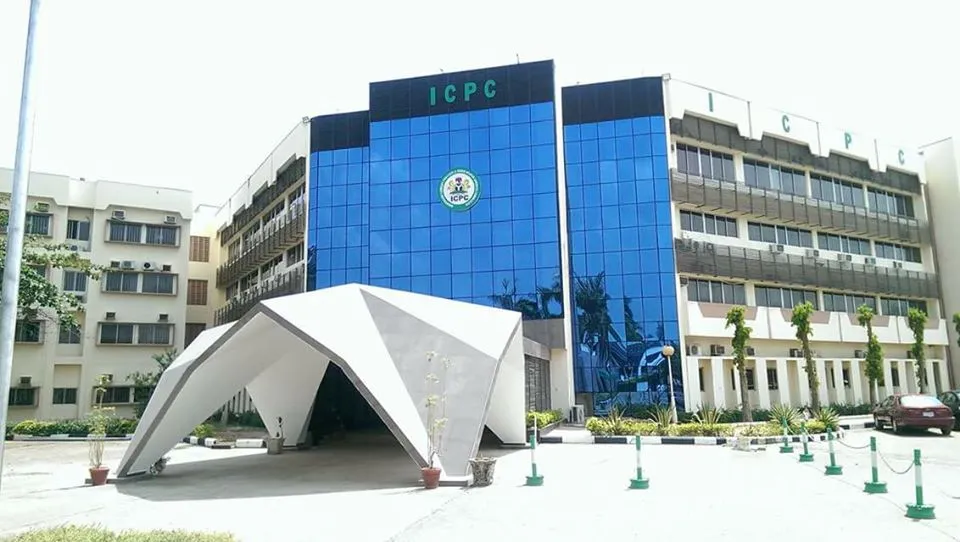
The Independent Corrupt Practices and Other Related Offences Commission and the National Pension Commission have recovered over N3bn in unremitted pension contributions from defaulting employers as both agencies intensified efforts to enforce compliance with the Pension Reform Act 2014.The recovery was disclosed in a statement issued by the National Pension Commission on Wednesday, which said the funds had been fully remitted into the Retirement Savings Accounts of affected employees.According to the commission, the recovery was achieved through a joint ICPC-PenCom enforcement initiative designed to address pension contribution defaults and protect workers’ retirement savings.It stated, “The Independent Corrupt Practices and Other Related Offences Commission and the National Pension Commission have recovered over N3bn in unremitted pension contributions from employers.”
PenCom explained that the recovered funds were obtained from defaulting employers in the electricity sector and credited to the respective Retirement Savings Accounts of affected workers in line with the Pension Reform Act 2014.“The recovered funds, obtained from defaulting employers in the electricity sector, have been fully remitted into the respective Retirement Savings Accounts of affected employees in accordance with the provisions of the Pension Reform Act 2014,” the statement read.The commission said the development demonstrated the effectiveness of its partnership with the ICPC in ensuring compliance with pension laws and compelling employers to fulfil their statutory obligations.
It said, “The recovery demonstrates the effectiveness of the partnership between PenCom and ICPC in enforcing compliance with the PRA 2014 and ensuring that employers fulfil their statutory pension obligations.”PenCom recalled that it signed a Memorandum of Understanding with the ICPC in October 2025 to strengthen collaboration in the recovery of unremitted pension contributions, the investigation of pension-related infractions, and the enforcement of compliance with the Pension Reform Act 2014.
The commission added that the ICPC was currently investigating several private-sector employers referred by PenCom for alleged non-compliance with the Act, expressing optimism that further recoveries would be made as the investigations progressed.“The ICPC is currently investigating several private-sector employers referred by PenCom for non-compliance with the PRA 2014. With the ongoing collaboration, additional recoveries would be achieved as the investigations progress,” it stated.PenCom reiterated that the Pension Reform Act requires employers to deduct and remit pension contributions into employees’ Retirement Savings Accounts within seven working days after salaries are paid.It warned that employers who fail to comply risk sanctions.“Failure to comply with this requirement constitutes a violation of the law and attracts sanctions, including the recovery of outstanding contributions, penalties and, where necessary, prosecution,” the statement said.
The commission urged employers, particularly those in the private sector, to regularise outstanding pension remittances and comply fully with the provisions of the Act to avoid regulatory and enforcement action.It reaffirmed its commitment to protecting workers’ retirement savings, promoting compliance with the Contributory Pension Scheme, and ensuring that pension contributions deducted from employees are promptly remitted into their Retirement Savings Accounts.The PUNCH recently reported that the National Pension Commission intensified its enforcement drive to ensure nationwide compliance with the Contributory Pension Scheme by launching a specialised, high-level monitoring platform targeting non-compliant subnational governments.The initiative is part of an ongoing strategy to deepen pension reform at the subnational level and secure a sustainable retirement future for public servants across the states of the federation.
PUNCH

Operatives of the Department of State Services (DSS), on Wednesday morning, arrested former Minister of Science and Technology, Uche Nnaji, at the Akanu Ibiam International Airport, Enugu.Security sources said Nnaji, who resigned last October under controversial circumstances, was arrested by DSS officers on request by the Independent Corrupt Practices and Other Related Offences Commission (ICPC) and handed him to the Anti-Graft Agency.The sources further notes that the ICPC had extended several invitations to the former minister following petitions on how he managed his Ministry, and therefore contacted the DSS to assist in arresting him.


Rescue Mission: Governor Dauda Lawal Approves N7.2 billion for Community Projects Across Zamfara

ICPC, PenCom recover N3bn unremitted pension deductions from defaulting firms

Interswitch Calls for Greater Investment in Energy Infrastructure to Accelerate Financial Inclusion Across Africa
Regberegbe 1986, 87 and 88 Appoints Deputy Speaker As Adviser Okunrin

9mobile, Kantar Discuss Building Impactful Brands for the Future
dLocal Enables Payments from Verve Cards and Tokens for Global Merchants
-

 Banking and Finance20 hours ago
Wema Bank Announces the 7th Edition of Hackaholics
-
 Business20 hours ago
Interswitch Calls for Greater Investment in Energy Infrastructure to Accelerate Financial Inclusion Across Africa
-
 NEWS20 hours ago
ICPC, PenCom recover N3bn unremitted pension deductions from defaulting firms
-

 NEWS1 day ago
FMDQ Group PLC Appoints Chief Executive Officer and Welcomes New Board Leadership
-
 NEWS1 day ago
Zamfara Governor, Dauda Lawal Shakes Up Cabinet, Moves Budget Commissioner to Education
-
 Cover1 day ago
Church Leader Who Ushers: Low-Key Lifestyle of A Loud Prophet, Elijah Ayodele
-

 Business and Brand2 days ago
Interswitch Strengthens Investment in Africa’s Future as Founding Corporate Supporter of Lagos Business School’s First Endowed Chair
-

 Banking and Finance1 day ago
Access Bank UK Polo Day Drives Global Support for Education of Vulnerable Children