Business
As Loan Defaults Rise, VeendHQ Says AI Recovered ₦69 Million from Delinquent Borrowers – Business
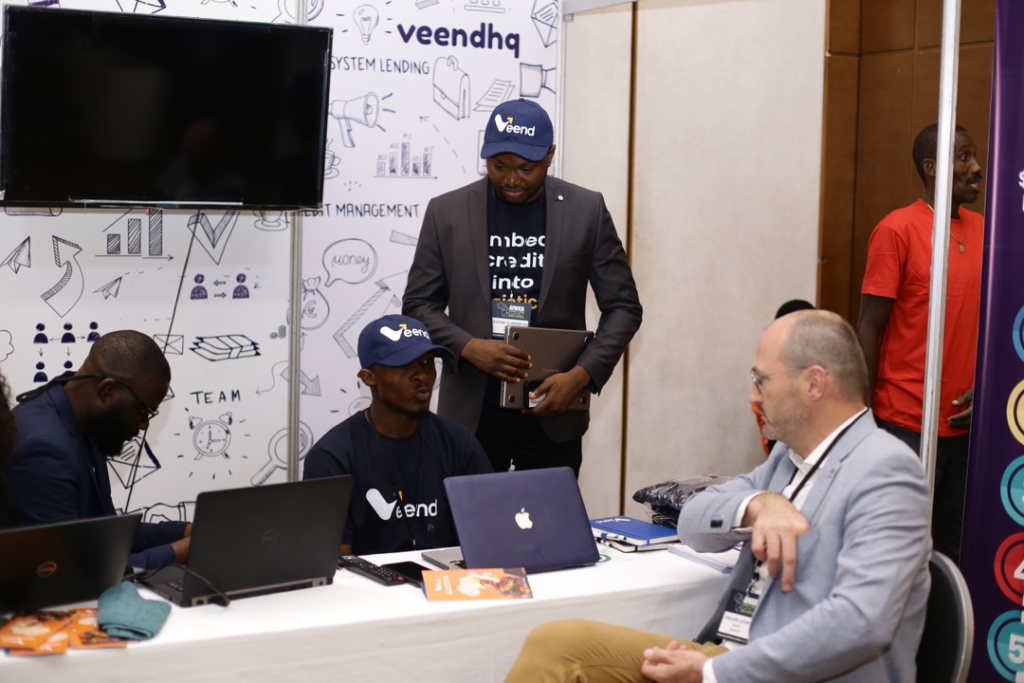
VeendHQ says its AI-powered credit platform, Vida AI, helped recover ₦69 million from a ₦172.5 million portfolio of loans that were more than 90 days overdue, in a pilot that highlights the growing role of technology in loan recovery and portfolio management.The result comes at a time when lenders are under increasing pressure to improve recovery outcomes while managing the cost, reputational risk, and operational burden associated with overdue loans. For many credit providers, the challenge is no longer only how quickly loans can be approved, but how effectively repayment can be monitored and delinquent loans can be recovered after disbursement.According to VeendHQ, the pilot delivered a 40 percent recovery rate on the overdue loan portfolio. The company said the result significantly outperformed traditional recovery benchmarks, where a five percent recovery rate on a similar loan book would amount to about ₦8.6 million.VeendHQ said the pilot demonstrates how Vida AI can support lenders beyond credit assessment, extending into repayment monitoring, collections, and recovery.“Credit access is only one side of lending. The bigger challenge for many lenders is what happens after disbursement,” said Olufemi Olanipekun, Co-founder and CEO of VeendHQ. “Vida AI helps lenders make smarter decisions across the credit lifecycle, from approval to repayment and recovery.”VeendHQ, a Nigerian fintech company building digital credit infrastructure, developed Vida AI as an artificial intelligence-powered platform for lenders, merchants, and financial institutions. The platform supports credit assessment, identity verification, repayment collections, and loan management workflows.With the recovery pilot, the company is positioning Vida AI beyond loan origination, as a tool for lenders seeking to improve repayment performance and manage overdue portfolios more efficiently.Delinquent loans remain a major cash-flow challenge for lenders. Once loans exceed 60 to 90 days past due, recovery becomes more difficult, expensive, and unpredictable. Traditional approaches such as manual calls, recovery agents, and legal escalation often increase costs without significantly improving recovery rates.VeendHQ said Vida AI’s recovery workflow enables lenders to upload overdue loan records, verify borrower information, assess repayment capacity, and trigger automated recovery actions. This gives lenders better visibility after disbursement and allows recovery teams to prioritize overdue portfolios more effectively.“If lenders cannot recover efficiently, they become more conservative with lending. That affects consumers, small businesses, and the wider credit market,” Olanipekun said. “Better recovery infrastructure gives lenders more confidence to lend, manage risk, and keep credit flowing.”The company said the recovery use case is especially relevant for banks, microfinance institutions, digital lenders, cooperatives, and merchants managing loans that are 60 to 180 days past due. It added that it plans to deepen Vida AI’s recovery capabilities for credit providers seeking to improve recovery performance without relying solely on manual methods.“As lending expands across Nigeria and Africa, recovery infrastructure is becoming as critical as origination,” Olanipekun said. “Tools that improve both will define which lenders can scale sustainably.”The pilot, VeendHQ says, points to a broader shift in the credit market: approval speed alone is no longer enough. Increasingly, lenders will be defined by how effectively they monitor repayment, recover overdue loans, and manage portfolio risk over time.
Business
African Marketplace 2026 Returns To Dubai In October
African Marketplace (AMP) is set to return for its highly anticipated second edition from October 10–12, 2026, at the prestigious Conrad Hotel Dubai, following the success of its landmark 2025 debut. The three-day event will once again convene some of the finest products, services, creatives, and innovators from Africa and the Caribbean, connecting them with global buyers, investors, policymakers, distributors, and cultural enthusiasts in one of the world’s most strategically connected trade capitals.African Marketplace is a pan-continental trade and cultural platform designed to spotlight Africa’s and the Caribbean’s finest export-ready brands, SMEs, and innovators, empowering them to scale internationally, unlock investment opportunities, and achieve global relevance. African Marketplace 2026 will showcase the richness of African and Caribbean heritage alongside contemporary innovation across fashion, furniture, art, cuisine, music, technology, wellness, and intellectual capital.Speaking on the announcement, Ibukun Awosika, Founder of African Marketplace and the Ibukun Awosika Leadership Academy (IALA), said: “African Marketplace 2025 was proof of concept. What the world witnessed in Dubai was not potential, it was excellence in full expression.” “For 2026, we are going even further. We are building on that foundation with greater scale, sharper commercial focus, and an even stronger declaration that Africa and the Caribbean are not waiting to be discovered. We are here. We are globally ready. And we are building our own tables. Dubai is where we invite the world to experience who we truly are.” She added.Through curated exhibitions, business networking, investment conversations, cultural showcases, and strategic partnerships, African Marketplace continues to position itself as a leading platform connecting Afro-Caribbean excellence to global opportunity. More than an exhibition, AMP serves as both a commercial gateway and cultural platform; creating meaningful opportunities for trade, investment, collaboration, and cross-cultural exchange on a global scale.As the platform grows year after year, AMP remains committed to building a lasting ecosystem where commerce, culture, innovation, and identity converge.EXHIBITOR REGISTRATION IS NOW OPENBusinesses, investors, partners, and attendees interested in participating in African Marketplace Dubai 2026 can learn more at:www.theafricanmarketplace.orgFor media inquiries, sponsorship opportunities, or partnership proposals, please contact:info@theafricanmarketplace.orgAbout African MarketplaceAfrican Marketplace (AMP) is a pan-African trade and culture platform connecting Africa and the Caribbean to global markets through commerce, creativity, innovation, and strategic partnerships. Hosted annually in Dubai, AMP provides export-ready businesses and entrepreneurs with access to international visibility, investment opportunities, and global networks.
Business
UAE’s Exit from OPEC: Eroding Pricing Power, Saudi Arabia’s Response, and the Implications for Nigeria
By Uwadiae Osadiaye, Head of Alternative Investments, FirstCap Limited
In a move that has sent ripples through global energy markets, the United Arab Emirates (UAE) announced on April 28, 2026, that it will formally withdraw from the Organization of the Petroleum Exporting Countries (OPEC) and the broader OPEC+ alliance effective May 1. The UAE, one of OPEC’s largest and most capable producers with output around 3.2–3.6 million barrels per day (bpd) and significant spare capacity, cited national interests and the need for production flexibility amid the ongoing energy crisis linked to Iran-related disruptions.This departure marks a historic fracture in the nearly 60-year-old cartel and follows precedents like Angola’s 2024 exit over quota disputes. For Nigeria, Africa’s largest oil producer and a longtime OPEC member, the implications centre on weakened cartel cohesion, diminished pricing power, and direct pressure on revenues.Impact on Oil Prices and OPEC Pricing PowerFree from quotas, the UAE is expected to ramp up production toward 5 million bpd. While current supply disruptions may limit the immediate effect, the added volume will exert downward pressure on prices and increase volatility in the medium to long term. Analysts point to potential declines of $5–7 per barrel once markets normalize.More critically, the exit undermines OPEC’s core pricing power. The UAE brought meaningful spare capacity; its departure leaves Saudi Arabia carrying a heavier burden for any future production cuts needed to stabilize prices. This makes defending price levels more costly and less effective for the Kingdom.Saudi Arabia’s Response: A Strategic Setback and Managed RiftSaudi Arabia, OPEC’s de facto leader, regards the UAE exit as a significant blow to its influence. Riyadh has kept public reactions measured, emphasising the resilience of deep trade, investment, and logistical ties between the two economies. Analysts note that a full economic rupture would harm both sides and is unlikely amid shared regional threats. Behind the scenes, however, the move exposes and widens longstanding rifts over oil quotas, Yemen, Sudan, and regional influence. It forces Saudi Arabia to shoulder more of the stabilisation burden alone, weakening its ability to enforce discipline across the group. The exit is seen as the UAE asserting autonomy and rejecting Saudi-led oil governance. A recent Gulf summit was described positively by UAE officials, indicating efforts to contain fallout.This response highlights Saudi Arabia’s recalibration: maintaining core OPEC leadership while adapting to a less reliable alliance structure. It may push Riyadh toward more unilateral production decisions or tighter coordination with remaining compliant members.Domino Risks and Further Erosion of InfluenceVenezuela, with vast reserves and recovering output, emerges as a potential next candidate for greater independence or even exit, alongside other quota-frustrated producers. A cascade of departures could render OPEC largely symbolic, leaving global oil prices driven primarily by market forces rather than coordinated cuts. This would likely result in a structurally lower price floor and higher volatility.Direct Effects on NigeriaNigeria remains heavily dependent on oil for export earnings and government revenue. With production often falling short of its ~1.5 million bpd OPEC quota (recent figures around 1.38 million bpd amid theft, vandalism, and infrastructure issues), the country has limited ability to offset price weakness through higher volumes.Softer prices or sustained volatility would widen fiscal deficits, pressure the naira, and complicate budgets benchmarked around $65–70 per barrel. Angola’s experience showed that quota freedom alone does not guarantee production gains when structural problems persist- Nigeria risks similar constraints. A weaker OPEC, with reduced Saudi leverage to enforce discipline, further diminishes the “price floor” protection African producers have relied upon.In this environment, Nigeria’s longstanding challenges – upstream security, investment attraction, and economic diversification – become even more urgent. While the country has reaffirmed commitment to OPEC, the cartel’s diminishing pricing power (exacerbated by the Saudi-UAE rift) means future revenue stability cannot be taken for granted.Outlook: Navigating a More Fragmented Oil Order The UAE’s exit, Saudi Arabia’s measured but strained response, and the resulting erosion of OPEC cohesion signal a structural decline in the cartel’s pricing influence and a more market- driven oil era. For Nigeria, this heightens fiscal and currency risks tied to its oil dependence while underscoring the limits of relying on collective producer power.In the short term, elevated prices from geopolitical disruptions may provide a temporary buffer. Over the medium to long term, however, increased supply from the UAE (and potentially others) combined with weaker coordination could sustain volatility and a softer price environment. Saudi Arabia’s heavier stabilisation role may lead to more pragmatic quota adjustments or unilateral actions, but it also risks exposing fractures that smaller members like Nigeria cannot easily exploit.ConclusionNigeria’s path forward requires decisive action. Upstream priorities should include intensified security operations against oil theft, accelerated infrastructure upgrades, and targeted incentives to attract investment – addressing the chronic underproduction that has left the country unable to capitalise on quota flexibility. Downstream and diversification efforts remain critical: expanding refining capacity, developing gas resources, and growing non-oil sectors (agriculture, manufacturing, and services) will reduce vulnerability to crude price swings.Diplomatically, Nigeria must engage actively within a diminished OPEC, potentially advocating for more flexible arrangements that reflect African producers’ realities. Broader economic reforms—fiscal discipline, improved revenue management, and naira stability measures—will determine whether external shocks translate into crises or catalysts for resilience.Ultimately, the Gulf realignment and OPEC’s evolution present Nigeria with both risks and opportunities. In a world where oil market power is fragmenting, proactive domestic transformation offers the most reliable route to energy security and sustainable growth. The coming months will test whether Nigerian policymakers seize this moment or allow it to deepen existing vulnerabilities.FirstCap Limited is a dynamic investment banking and capital markets advisory firm, and a subsidiary of First HoldCo Plc, one of Africa’s most resilient and trusted financial institutions. With over two decades of experience delivering tailored financial solutions that drive growth, transformation, and long-term value. Our core expertise spans mergers and acquisitions, capital raising, and strategic financial advisory. Backed by a proven record of landmark transactions across multiple sectors, We are a trusted partner of choice for corporations, institutions, and entrepreneurs navigating complex financial landscapes.https://firstcapltd.com/
Business
FIRSTCAP CLOSES N4.46BN LAPO MFB SPV PLC SERIES 1 BOND, DEEPENS ACCESS TO LONG TERM CAPITAL
IMG_5294 L-R: Chief Finance Officer, LAPO Microfinance Bank, Emmanuel Igiehon; Managing Director, LAPO Microfinance Bank, Cynthia Ikponmwosa; Managing Director, FirstCap Limited, Ukandu E. Ukandu, and Head of Capital Markets, FirstCap Limited, Oluseun Olatidoye, at the LAPO MFB SPV Plc Series 1 Bond Issuance Signing Ceremony recently held in Lagos.
Lagos, Nigeria – April 2026 — FirstCap Limited, a leading investment banking firm and subsidiary of FirstHoldCo Plc., has successfully closed the ₦4.46 billion Series 1 Bond Issuance by LAPO MFB SPV Plc, reinforcing its strong leadership in Nigeria’s debt capital markets and deepening access to long term funding for high impact sectors.Acting as Lead Issuing House, FirstCap structured the fund raising on behalf of LAPO MFB SPV Plc (a company sponsored by LAPO Microfinance Bank Limited to mobilise institutional capital targeted at SME financing, renewable energy expansion, and digital financial services, three critical drivers of inclusive and sustainable economic growth in Nigeria.The transaction is underpinned by a compelling impact thesis, with proceeds strategically deployed to support small businesses and clean energy initiatives. The microfinance sector continues to demonstrate resilience and strong fundamentals positioning the issuance at the intersection of growth, sustainability, and financial inclusion.Commenting on the transaction, Ukandu E. Ukandu, Managing Director, FirstCap Limited, said:

L- R: Company Secretary, LAPO Microfinance Bank, Peggy Idehoy; Managing Director, LAPO Microfinance Bank, Cynthia Ikponmwosa; Managing Director, FirstCap Limited, Ukandu E. Ukandu; Chief Finance Officer, LAPO Microfinance Bank, Emmanuel Igiehon, at the LAPO MFB SPV Plc Series 1 Bond Issuance Signing Ceremony recently held in Lagos.
“This successful issuance underscores our strategic commitment to directing capital where it delivers measurable economic impact. At FirstCap, we partner with institutions that have the scale, discipline, and vision to transform markets, and LAPO exemplifies these qualities.The ₦4.46 billion bond is positioned to be a catalyst for SME growth, expanded energy access, and broader financial inclusion. We remain committed to structuring transactions that are not only bankable, but impactful and aligned with Nigeria’s long term economic trajectory.”FirstCap Limited remains committed to leading from the forefront of Nigeria’s capital markets, structuring transactions that are bankable, impactful, and investable, while supporting the future trajectory of Nigeria’s economic development.”
-
NEWS1 day agoGovernor Dauda Lawal Reshuffles Cabinet, Harps on Strengthening Governance Efficiency
-
Entertainment1 day agoWhat to Watch This Week: 5 Movies You Shouldn’t Miss
-
Business and Brand1 day agoOver 21,000 Students Sit for InterswitchSPAK Pre-Qualifying Examinations as National Exams Kick Off Across Nigeria
-
Brand9 hours agoSt. Jude Girls Secondary School, Bayelsa, and King Amakree Academy, Rivers, Win MILO Atlantic Conference Titles
-
NEWS1 hour agoCourt Dismisses Yahaya Bello’s Application Challenging FCT High Court Jurisdiction