
NEWS
Young Adults in Sub-Saharan Africa Have The Highest Mental Well-being Scores Globally in a New Report That Shows Mental Health in Their Western Counterparts is Severely Declining.


Tara Thiagarajan, Founder & Chief Scientist, Sapien Labs
6th of March 2025 – Nairobi, Sapien Labs, a global leader in mental health research, has released the Mental State of the World 2024 Report, revealing that young African adults are showing stronger mental resilience compared to their peers in high-income nations, where youth mental well-being has been in steep decline since the COVID 19 Pandemic. The decline across the world is characterized by a deterioration of the ability to control and regulate thoughts and emotions as well as form and maintain positive relationships with people. The report, which analysed over one million responses from internet enabled populations in 76 countries, across all continents, presents a concerning reality as mental health among 18- to 34-year-olds in Western nations has dropped sharply since 2019, with no signs of recovery. In contrast, the decline is far less among several African countries where mental well-being scores are higher, with Tanzania ranking first in Africa and the highest globally. Younger adults in Nigeria and Kenya also score relatively well, with Mental health Quotient (MHQ) scores above 60 and in the 50-60 range, respectively, indicating better mental health outcomes compared to many Western nations. However, it is worth noting that the figures for African youth are still way below the average figures for older adults generally across the globe. South Africa is the only country surveyed in Africa that is aligned more with the West, with South African youth scoring between 30-40 MHQ, which is low, but still above poorly performing countries such as the UK, Ukraine and New Zealand. The report is not based on indicators of happiness, nor it is monitoring anxiety and depression. The data collected using the Mind Health Quotient (MHQ) which measures all aspects of mental function: emotional, social and cognitive, shows that while older adults are doing well, a near majority of younger adults are experiencing functionally debilitating struggles or distress. This is not just about diminished happiness, which is only a small component of Mind Health, but of the core mental functioning that’s needed to navigate life’s challenges and function productively. This decline in mental wellbeing in youth has been linked to multiple interconnected factors, including weaker social connections, early exposure to smartphones, increased consumption of ultra-processed foods and greater exposure to environmental toxins. Younger generations are experiencing fewer close friendships, spending more time online, and consuming diets that contribute to emotional instability and cognitive challenges. These combined pressures have fueled a global crisis that continues to deepen. Tara Thiagarajan, Ph.D., Founder and Chief Scientist at Sapien Labs, commented”Africa holds a unique advantage in youth mental health, an asset that must be actively protected as the continent undergoes rapid technological and economic shifts. With Africa’s youthful population set to play a key role in the global economy in the coming decades, governments must take proactive steps to ensure that urbanization, digital adoption and evolving lifestyles do not erode the mental resilience that is now setting African youth apart from the rest of the world”According to the report, older populations across the globe, ranked well with an average of 100 MHQ in populations of 55+ Countries that ranked high in older populations, with a score of over 110 include countries in Africa, Central and South America, South East Asia and Israel and the UAE. Nigeria was ranked high at 110 plus and Kenya was in the second group of countries with scores between 100 and 110. In stark contrast to older adults, the average MHQ of younger Internet-enabled adults under age 35, ranges from 5 to 71 across 79 countries with an average globally of just 38, over 60 points lower than those aged 55 plus.
Many under 35’s are merely enduring life with 41% classified as distressed or struggling, i.e. experiencing an average of five or more clinical level symptoms of mental distress that significantly impair their ability to navigate their lives and function productively. Across all countries, younger adults have diminished Mind Health relative to older generations. In only 15 out of 79 countries did their average MHQ exceed 50 and just one country – Tanzania, had an average MHQ above 65 – equivalent to the lowest country average among those aged 55+. Findings from the report, further suggest that stronger community and family ties, later exposure to smartphones, and more face-to-face social interactions may contribute to these varying scores. These factors, which help build emotional resilience, have been declining in high-income nations over the past decade, where digital connectivity and individualism have replaced traditional social structures. However, as Africa urbanizes and adopts more technology, researchers warn that these benefits could fade if not protected, leading to a decline in young people’s mental well-being across the continent. Tara Thiagarajan, went on to say, “The report highlights a widening generational gap in mental health worldwide. While older adults (55+) continue to thrive, younger adults are facing unique levels of distress. The consequence of this as the older generation moves out of the workforce is that we will be faced with a new workforce that may not be able to cope with the pressures of daily life. There will be less productivity, more days off, less co-operation and more anxiety and possibly more violence in daily life with a generation that does not have the emotional and cognitive ability to cope”. She went on to say, “For Africa, this presents both an opportunity and a challenge to learn from global trends and act now to preserve the mental resilience of its young people. African nations must look at ways to counter childhood exposure to smart phones and ultra-processed diets and environmental toxins. As the continent advances, leaders and communities need to encourage the strong social and cultural bonds that have helped protect young Africans and look at ways that youth across the continent can further develop resilience and achieve their full potential”. The full Mental State of the World 2024 report is available at [insert link]. For more information about Sapien Labs and its initiatives, please contact Agarther GichagaTell-em PRagarther.gichaga@tell-em-pr.com+254 722 586 882
ABOUT SAPIEN LABSFounded in 2016, Sapien Labs is a 501(c)(3) nonprofit organization dedicated to understanding and enabling the human mind. Through large-scale, real-time global data collection, Sapien Labs explores the impact of modern life on brain and mental health. Its research provides valuable insights and tools for schools, organizations, and governments, helping to shape policies and interventions that promote mental well-being worldwide. Website: https://sapienlabs.org ABOUT MENTAL STATE OF THE WORLD 2024The Mental State of the World Report is an annual publication by Sapien Labs’ Global Mind Project that examines the shifting landscape of mental well-being among internet-enabled populations worldwide. Each edition analyzes the mental health trends of the past year, comparing them to previous years while identifying key factors influencing these changes. Throughout the year, additional Rapid Reports provide deeper insights into specific aspects of mental well-being. As the world’s largest and most comprehensive ongoing global survey of mental health, the Global Mind Project uses the Mental Health Quotient (MHQ) to collect data across diverse populations. This initiative tracks mental well-being alongside sociocultural, lifestyle, and technological factors in multiple countries, offering a data-driven understanding of dominant trends and their underlying causes.
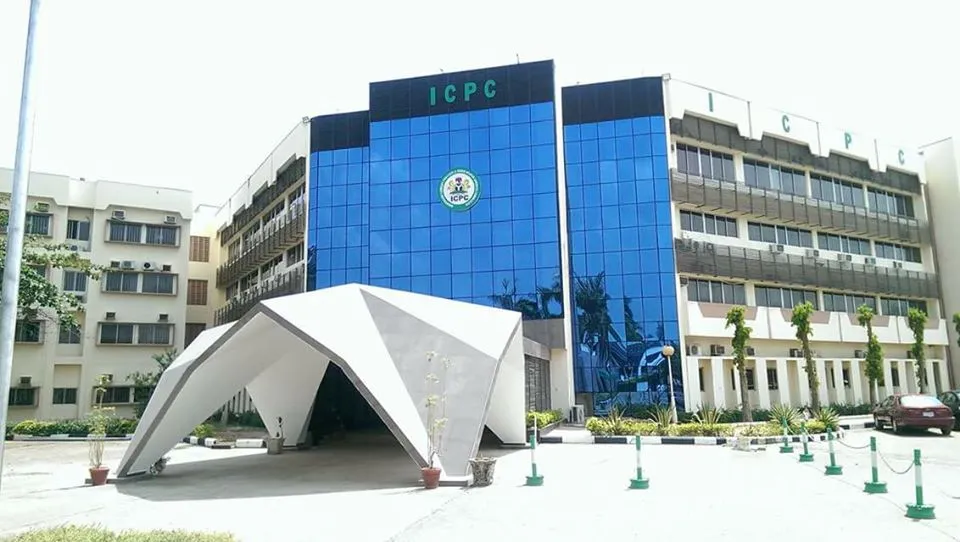
The Independent Corrupt Practices and Other Related Offences Commission and the National Pension Commission have recovered over N3bn in unremitted pension contributions from defaulting employers as both agencies intensified efforts to enforce compliance with the Pension Reform Act 2014.The recovery was disclosed in a statement issued by the National Pension Commission on Wednesday, which said the funds had been fully remitted into the Retirement Savings Accounts of affected employees.According to the commission, the recovery was achieved through a joint ICPC-PenCom enforcement initiative designed to address pension contribution defaults and protect workers’ retirement savings.It stated, “The Independent Corrupt Practices and Other Related Offences Commission and the National Pension Commission have recovered over N3bn in unremitted pension contributions from employers.”
PenCom explained that the recovered funds were obtained from defaulting employers in the electricity sector and credited to the respective Retirement Savings Accounts of affected workers in line with the Pension Reform Act 2014.“The recovered funds, obtained from defaulting employers in the electricity sector, have been fully remitted into the respective Retirement Savings Accounts of affected employees in accordance with the provisions of the Pension Reform Act 2014,” the statement read.The commission said the development demonstrated the effectiveness of its partnership with the ICPC in ensuring compliance with pension laws and compelling employers to fulfil their statutory obligations.
It said, “The recovery demonstrates the effectiveness of the partnership between PenCom and ICPC in enforcing compliance with the PRA 2014 and ensuring that employers fulfil their statutory pension obligations.”PenCom recalled that it signed a Memorandum of Understanding with the ICPC in October 2025 to strengthen collaboration in the recovery of unremitted pension contributions, the investigation of pension-related infractions, and the enforcement of compliance with the Pension Reform Act 2014.
The commission added that the ICPC was currently investigating several private-sector employers referred by PenCom for alleged non-compliance with the Act, expressing optimism that further recoveries would be made as the investigations progressed.“The ICPC is currently investigating several private-sector employers referred by PenCom for non-compliance with the PRA 2014. With the ongoing collaboration, additional recoveries would be achieved as the investigations progress,” it stated.PenCom reiterated that the Pension Reform Act requires employers to deduct and remit pension contributions into employees’ Retirement Savings Accounts within seven working days after salaries are paid.It warned that employers who fail to comply risk sanctions.“Failure to comply with this requirement constitutes a violation of the law and attracts sanctions, including the recovery of outstanding contributions, penalties and, where necessary, prosecution,” the statement said.
The commission urged employers, particularly those in the private sector, to regularise outstanding pension remittances and comply fully with the provisions of the Act to avoid regulatory and enforcement action.It reaffirmed its commitment to protecting workers’ retirement savings, promoting compliance with the Contributory Pension Scheme, and ensuring that pension contributions deducted from employees are promptly remitted into their Retirement Savings Accounts.The PUNCH recently reported that the National Pension Commission intensified its enforcement drive to ensure nationwide compliance with the Contributory Pension Scheme by launching a specialised, high-level monitoring platform targeting non-compliant subnational governments.The initiative is part of an ongoing strategy to deepen pension reform at the subnational level and secure a sustainable retirement future for public servants across the states of the federation.
PUNCH

Operatives of the Department of State Services (DSS), on Wednesday morning, arrested former Minister of Science and Technology, Uche Nnaji, at the Akanu Ibiam International Airport, Enugu.Security sources said Nnaji, who resigned last October under controversial circumstances, was arrested by DSS officers on request by the Independent Corrupt Practices and Other Related Offences Commission (ICPC) and handed him to the Anti-Graft Agency.The sources further notes that the ICPC had extended several invitations to the former minister following petitions on how he managed his Ministry, and therefore contacted the DSS to assist in arresting him.
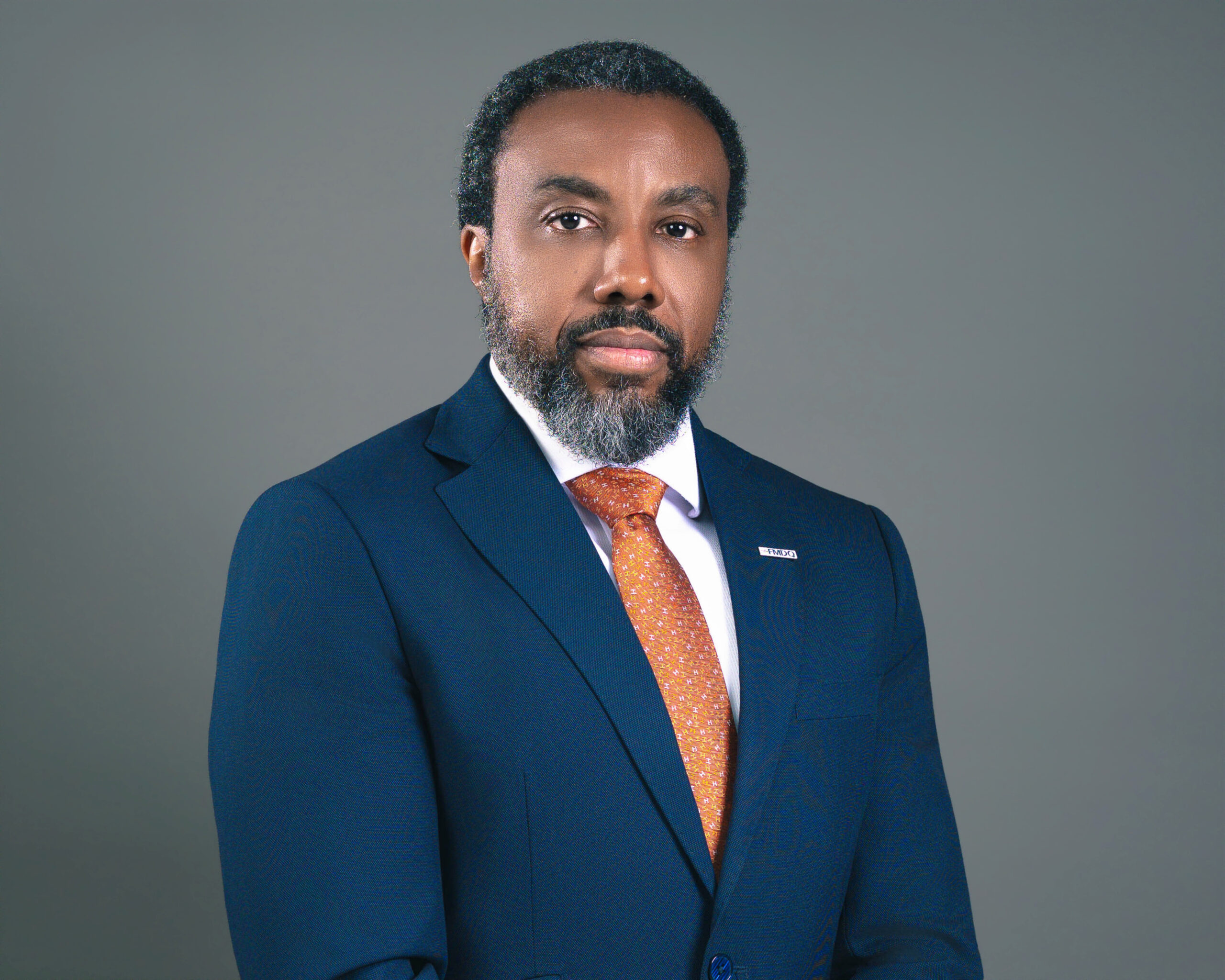
FMDQ Group PLC (“FMDQ Group” or the “Group”), Africa’s first vertically integrated financial market infrastructure (“FMI”) group, has announced the appointment of Mr. Zeal Akaraiwe as its Group Managing Director/Chief Executive Officer subject to the approval of the Securities and Exchange Commission. The Group has also strengthened its Board with the appointment of Mr. Funso Sobande as the Chairman of the Board, alongside four (4) additional Directors, marking an important milestone in the Group’s leadership transition and strategic evolution. Mr. Akaraiwe succeeds Mr. Bola Onadele. Koko, Pioneer Group Managing Director/Chief Executive Officer of FMDQ Group, who retired from the Group in July 2025 after twelve (12) years of distinguished service and transformational leadership. With more than twenty-five (25) years of experience across financial markets, treasury, derivatives, structured finance, risk management, and regulatory advisory, Mr. Akaraiwe brings a wealth of experience gained across Nigeria, Zambia, and the United Kingdom. Prior to his appointment, Mr. Akaraiwe was the Founder and CEO of Graeme Blaque Advisory, a specialist financial markets consultancy providing advisory services in derivatives, risk management, and regulatory matters to corporates, financial institutions, and other market participants. Throughout his career, including his time at Standard Chartered Bank, Mr. Akaraiwe has contributed to the development and execution of financial markets solutions across multiple African markets and has worked extensively with regulators, financial institutions, corporates, and market participants to strengthen market structures, enhance risk management practices, and support the development of financial markets products and infrastructure. FMDQ Group has also strengthened its governance framework through the appointment of five (5) accomplished professionals to its Board. In addition to Mr. Funso Sobande’s appointment as Group Chairman, Mr. Joseph Olaoye Jaiyeola and Mrs. Miriam Olusanya have joined the Board as Non-Executive Directors, while Mrs. Kemi Adewole, HCIB, FCIoD, QRD and Mr. Innocent Isichei have been appointed as Independent Non-Executive Directors. Collectively, the new Board members bring extensive experience spanning banking, financial markets, treasury, corporate governance, public policy, risk management, and strategic advisory. Their appointments further enhance the Board’s capacity to provide robust oversight, sound governance, and strategic direction as the Group continues to advance its long-term vision. Commenting on the appointments, the Chairman of the Board, Mr. Sobande, said: “This is an exciting new chapter for FMDQ Group. These appointments mark an important milestone in the continued evolution of the Group. The appointment of Mr. Akaraiwe as Group Managing Director/Chief Executive Officer, together with the strengthening of our Board, reflects our commitment to ensuring that the Group continues to be led by individuals with the vision, expertise and integrity required to drive sustainable growth and innovation. The new Board brings a wealth of complementary experience and perspectives that will further strengthen the Group’s governance and strategic oversight. Together with our talented management team, I am confident that we are well positioned to execute our strategic priorities, create long-term value for our stakeholders and continue advancing the development of efficient, innovative, and globally competitive financial markets.”


ICPC, PenCom recover N3bn unremitted pension deductions from defaulting firms

Interswitch Calls for Greater Investment in Energy Infrastructure to Accelerate Financial Inclusion Across Africa

Wema Bank Announces the 7th Edition of Hackaholics
Regberegbe 1986, 87 and 88 Appoints Deputy Speaker As Adviser Okunrin

9mobile, Kantar Discuss Building Impactful Brands for the Future
dLocal Enables Payments from Verve Cards and Tokens for Global Merchants
-
 Banking and Finance16 hours ago
Wema Bank Announces the 7th Edition of Hackaholics
-
 Business16 hours ago
Interswitch Calls for Greater Investment in Energy Infrastructure to Accelerate Financial Inclusion Across Africa
-
 NEWS16 hours ago
ICPC, PenCom recover N3bn unremitted pension deductions from defaulting firms
-

 NEWS24 hours ago
FMDQ Group PLC Appoints Chief Executive Officer and Welcomes New Board Leadership
-

 NEWS1 day ago
Zamfara Governor, Dauda Lawal Shakes Up Cabinet, Moves Budget Commissioner to Education
-

 Cover21 hours ago
Church Leader Who Ushers: Low-Key Lifestyle of A Loud Prophet, Elijah Ayodele
-

 Business and Brand2 days ago
Interswitch Strengthens Investment in Africa’s Future as Founding Corporate Supporter of Lagos Business School’s First Endowed Chair
-

 Banking and Finance24 hours ago
Access Bank UK Polo Day Drives Global Support for Education of Vulnerable Children