
NEWS
The Fiscal Renaissance and Socio-Economic Re-Engineering of Zamfara State by Governor Dauda Lawal’s Administration


By: Bashorun Oladapo Sofowora
In 2023, when His Excellency, Governor Dauda Lawal, ascended to the governorship of Zamfara State against considerable odds, he brought with him a wealth of experience as a seasoned banker in the financial and banking sector. His emergence as governor proved timely, as his mandate was to revitalize a state that had fallen into a state of extreme stagnation and disrepair. Previous administrations had rendered Zamfara nearly ungovernable, with widespread poverty and a lack of meaningful development. Governor Lawal, however, entered into the political arena with a clear vision; to inject life back into the state and prepare it for competitiveness with its regional counterparts.
Zamfara is rich in abundant minerals, yet it has been marred by infrastructural deficits and pervasive poverty, leading many to believe that true development was out of reach. Unfazed by these challenges, Governor Lawal embraced the monumental task of restoring the state. His determination and proactive approach earned him the moniker of ‘Chief Rescuer.’ Today, just over two years into his administration, Zamfara has emerged as one of the most improved states in the region, far exceeding initial expectations.
The journey of transforming a sub-national economy within Nigeria’s federal system mandates a dual strategy; aggressive fiscal consolidation paired with targeted socio-economic investments. Historically, Zamfara faced significant hurdles, including an over-reliance on federal allocations, systemic inefficiencies in public expenditure, and a turbulent security landscape that repeatedly hampered agricultural and industrial productivity. Once hailed as the ‘Farming State,’ Zamfara had struggled to live up to that name due to ongoing security and infrastructural challenges.
However, the period from 2023 to 2025 marks a pivotal shift in the state’s developmental trajectory under Governor Dauda Lawal’s leadership. This era is defined by a transition from fiscal fragility to emerging viability. Objective performance metrics, bolstered by comprehensive institutional reforms, reflect this transformation. To illustrate the depth and sustainability of these changes, detailed analyses will delve into comparative statistics regarding revenue growth, debt sustainability, and sectoral performance. This comprehensive evaluation aims to provide a clearer understanding of the mechanisms driving Zamfara’s revitalization and the long-term viability of these reforms.
The creation of a Sub-National Fiscal Resilience
The primary indicator of Zamfara’s fiscal recovery is its dramatic ascent in the annual State of States rankings conducted by BudgIT, a renowned civic organization dedicated to fiscal transparency and accountability. In 2023, at the onset of the current administration, Zamfara was ranked 36th, the lowest position among Nigeria’s 36 states. By 2024, the state had ascended to 26th, and the 2025 report reveals a further jump to 17th position. This 19-place improvement within two years suggests a fundamental change in the state’s capacity to manage its resources and generate independent revenue. This ranking is not merely symbolic; it is built on a massive expansion of the state’s revenue base. The recurrent revenue of Zamfara State increased from N87.44 billion in 2023 to N246.88 billion in 2024, representing a year-on-year growth rate of approximately 182.34%. The Total revenue, which includes capital receipts and aids, grew from N144.95 billion to N315.53 billion in the same period, a 117.68% increase. While a portion of this growth is attributable to the increased Federal Account Allocation Committee (FAAC) disbursements resulting from national-level fiscal changes, the state’s internal efforts to optimize revenue collection have been pivotal.
The BudgIT report further classifies Zamfara as one of the few states that would theoretically possess independent viability if they were to exist as sovereign entities. This classification is reserved for states that demonstrate a limited and decreasing dependence on federally distributed revenue for their basic operations. Although Zamfara’s Internally Generated Revenue (IGR) currently accounts for approximately 10.31% of its total revenue, the rapid expansion of the non-tax revenue component specifically; fees and licenses indicates a diversification of the local tax base.
Non-tax revenue, which had plummeted to N1.07 billion in 2022, rebounded to N7.42 billion in 2023 and further increased to N12.91 billion in 2024. This recovery in non-tax revenue is largely driven by a 5,921.47% increase in licenses in 2023 followed by a 44.53% growth in 2024, alongside an 88.24% increase in revenue from fees.
The data indicates that while FAAC revenue surged by 239.18% between 2023 and 2024, the state’s IGR also showed a positive trajectory, rising by 14.86% from N22.16 billion in 2023 to N25.46 billion in 2024. This growth is particularly significant when viewed through the lens of long-term trends; for instance, the state’s IGR was as low as N2.74 billion in 2015. The current administration’s ability to maintain a growth trajectory in IGR amidst security challenges suggests that the implementation of the Harmonized Revenue Law and the digitalization of permit processing are beginning to yield results.
Component Estimation of Revenue Growth
The internal revenue structure reveals a nuanced shift from traditional taxation to service-based non-tax revenue. In 2024, total revenue generated was N358.9 billion, representing an 82% performance of the approved target of N437 billion. This performance was underpinned by steady improvements in Value Added Tax (VAT), IGR, and federal statutory allocations, alongside aids and grants from development partners.
A detailed look at the state’s IGR shows that in 2024, Zamfara ranked 25th among the 36 states in terms of absolute IGR. While the total tax collection saw a marginal decline of 1.63\% to N18.32 billion, the revenue from Ministries, Departments, and Agencies (MDAs) strengthened by 101.59% to N7.14 billion. This reflects ongoing revenue reforms in government offices, although expansion in the mining and agriculture sectors remains critical for future growth.
The precipitous decline in fines, noted at 78.15%, suggests a potential shift in enforcement strategies or a behavioral change in compliance, though the massive growth in fees and licenses more than compensated for this loss. The revenue from fees, specifically, grew from N82.44 million in 2022 to N3.06 billion in 2023 and further to N5.76 billion in 2024. This trajectory indicates a systematic effort to capture previously unrecorded or diverted service-related revenues.
Building Institutional Integrity and Payroll Sanitization
A critical component of the fiscal consolidation strategy has been the sanitization of the state’s payroll for the civil servant in the state. For decades, many Nigerian states have struggled with “ghost workers”; fictitious entries on the payroll used to siphon public funds. In August 2024, the Lawal administration constituted a high-level verification committee, led by the Head of Service and including the Commissioner of Finance and various Auditors-General, to integrate the state’s nominal and payroll systems. The findings of this audit, concluded by February 2025, were profound, exposing deep-seated systemic corruption.
The committee identified 2,363 ghost workers who were collectively drawing N193.64 million in monthly salaries. Furthermore, the audit uncovered 220 minors fraudulently listed as civil servants and receiving monthly wages. The audit report highlighted that 75 workers had first appointment dates that were not in compliance with the issue dates, as they were minors at the time of employment. The significance of these findings extends beyond the immediate N200 million in monthly savings (N2.4 billion annually).
This cleanup was a mandatory prerequisite for the implementation of the new national minimum wage of N70,000, which the state started paying in March 2025. By removing non-existent or ineligible recipients from the payroll, the administration ensured that the increased wage bill for legitimate workers was sustainable and would not compromise the state’s ability to fund capital projects. This move towards transparency is further supported by the introduction of the Zamfara e-Governance Platform (e-GovConnect) and the Digital Literacy Framework, aimed at modernizing the bureaucracy and reducing the human-centric vulnerabilities that allow for payroll fraud.
The committee’s final report highlighted that 27,109 permanent workers were verified and cleared. However, the presence of 1,082 workers due for retirement still collecting salaries totaling N80.5 million monthly indicated a significant backlog in pension transitions and personnel record management. Additionally, 395 contract staff, 261 workers not on the nominal roll, and 213 on study leave were flagged for questionable employment status, emphasizing the need for a modernized, technology-driven human resource management system.
Budgetary Architecture and Strategic Expenditure
The transition in fiscal philosophy is most evident in the composition of the state’s appropriation acts. Historically, Nigerian sub-nationals have often allocated a disproportionate share of their budgets to recurrent expenditures, salaries, overheads, and debt servicing, leaving minimal room for the capital investments required for long-term growth. The Lawal administration has sought to invert this ratio. The 2026 budget proposal, for example, totals N861.34 billion, with a striking 83% earmarked for capital projects and only 17% (N147.28 billion) for recurrent expenditure.
In the 2024 fiscal year, the state recorded an 82% performance rate against its N437 billion revenue target, bringing in N358.9 billion. While revenue fell 18% short of the ambitious budget, the expenditure patterns reflected a strong commitment to economic development. The economic sector accounted for the highest proportion of capital expenditure at 41%, while the administrative sector utilized 74% of the recurrent budget.
A noteworthy innovation in the budgeting process is the introduction of the Citizens Accountability Report. For the first time, projects totaling N105 billion were nominated directly by citizens, including those specifically focused on Gender Equity and Social Inclusion (GESI). This participatory approach aims to ensure that public funds are utilized for projects with the highest social impact and to build public trust in the administration’s fiscal management. The Lawal’s administration reported addressing legacy issues such as the non-retirement of advances and IGR being spent at the source without proper documentation.
Infrastructure priorities in the 2024 budget revisions were driven by reforms with direct bearing on health, education, and agriculture. In the Q4 2024 budget performance report, economic affairs (which typically includes roads) constituted 37% of total expenditure, while health and housing/community amenities accounted for 5% and 3% respectively. This allocation strategy underscores a focus on assets that provide immediate value and contribute to the growth of IGR in the short to medium term.
Sustainable Debt Management and Multilateral Financing
Debt sustainability has been a central concern for the administration, given the high-interest environment and currency volatility. The 2025 Debt Sustainability Analysis (DSA) covers a historical period from 2020 to 2024 and projects debt levels through 2034. As of the end of 2024, Zamfara’s total public debt stood at N104.4 billion. While the state ranks 4th in debt sustainability, a relatively strong position compared to other sub-nationals, the administration has focused on fiscal consolidation to rebuild budgetary capacity and curb the rise of public debt.
The DSA projections anticipate that inflation will remain high in 2025, with a base case scenario of 34.52%. This inflationary pressure is driven by currency depreciation, food inflation due to insecurity and climate impacts (such as flooding), and elevated logistics costs. To mitigate these risks, the state has prioritized multilateral coordination for debt resolution and to create space for necessary investments. Multilateral financing has become a cornerstone of the state’s development strategy. In March 2025, the Islamic Development Bank (IsDB) approved USD 52.38 million specifically to enhance food security in Zamfara.
This is part of a broader USD 1.4 billion IsDB approval for member countries to advance SDGs in food security, health, and transport. Furthermore, the state is an active participant in the World Bank’s Agro-Climatic Resilience in Semi-Arid Landscapes (ACReSAL) project, which seeks to increase the adoption of climate-resilient landscape practices. These partnerships provide low-interest, long-term capital that is far more sustainable than domestic commercial borrowing.
The administration has also engaged in dialogue with the African Development Bank (AfDB) to streamline and accelerate the financing of infrastructure projects. During the Africa Investment Forum in Morocco, Governor Lawal participated in high-level dialogues on mobilizing domestic capital and enhancing private investment through enabling environments. These efforts are designed to reduce the state’s reliance on FAAC, which remains high at 89.69% of total fiscal composition as of late 2024.
Education and Human Capital Transformation
Upon assuming office in 2023, Governor Lawal declared a state of emergency in the education sector, recognizing that a skilled workforce is a prerequisite for industrial and agricultural growth. The education reform agenda is built on three pillars: infrastructure modernization, personnel recruitment, and equitable access.
The recruitment drive represents one of the most significant personnel expansions in the state’s history.
The government approved the hiring of 2,000 qualified teachers, with the process carried out in phases to ensure transparency and merit-based selection. The first phase focus on 500 teachers specializing in Mathematics, Physics, Chemistry, English, Computer Science, and Entrepreneurship. The recruitment process involved an online portal attracting 11,708 applicants, a Computer-Based Test (CBT) for 3,105 candidates, and final oral interviews for 1,033 who met the 40% benchmark.
In the vocational sector, the Governor approved the recruitment of an additional 500 TVET teachers across disciplines like auto-mechanics, building construction, electrical installation, and digital technologies. This is complemented by the Oracle-ZITDA Skills Initiative, a technology certification program in Oracle Cloud, Data Science, and AI. These initiatives aim to address the deficit in technical expertise required for the state’s emerging industrial and mining sectors.
Infrastructure developments include the resumption of work at the Zamfara State University, Talata Mafara, which had been abandoned for four years, and the renovation of the College of Arts and Sciences (ZACAS) in Gusau.
The state’s commitment to the World Bank-supported Adolescent Girls Initiative for Learning and Empowerment (AGILE) project, through the payment of N3.34 billion in counterpart funding, specifically targets the reduction of gender disparities in education. These investments are intended to reverse the systemic rot and restore public confidence in the state’s education system.
Healthcare and Social Welfare Rejuvenation
The healthcare sector has seen a similar “state of emergency” declaration, focusing on primary, secondary, and tertiary care infrastructure. A centerpiece of this reform is the renovation and remodeling of the Ahmed Sani Yeriman Bakura Specialist Hospital in Gusau, which has been equipped with state-of-the-art facilities and was commissioned by former President Olusegun Obasanjo in June 2025.
The administration has also prioritized rural healthcare. This includes the construction of a new General Hospital at Nasarawa Burkullu in Bukkuyum LGA and the upgrading of Primary Health Centres across various communities. In Kauran Namoda, the newly rehabilitated and re-equipped General Hospital was unveiled to provide quality healthcare to the local community and neighboring areas.
To ensure service delivery, the government has concluded plans to recruit and train more health workers and introduce free maternal and child health services. These interventions aim to reduce maternal mortality, infant mortality, and morbidity rates across the state. The modified free medical outreach program, which completed its tenth phase in October 2025, treated 3,447 individuals, providing immediate relief to underserved populations.
Nutrition and early childhood development have also been prioritized through the constitution of the Zamfara State Council on Nutrition and the rollout of the Nutrition 774 (N774) Initiative. This community-based, multi-sectoral approach recognizes the linkage between nutrition, health, agriculture, and education. By focusing on the first 1,000 days of a child’s life, the administration seeks to build a resilient and prosperous future for the state’s citizenry.
The Agricultural Revolution Through Z-SAI
Agriculture remains the backbone of Zamfara’s economy as its predominantly inhabitated by farmers, accounting for over 70% of its GDP. However, the sector has historically been subsistence-based, with minimal mechanization and vulnerability to insecurity. The Lawal administration’s strategy centers on the Zamfara Safe Agriculture Initiative (Z-SAI), which integrates input distribution, infrastructure development, and value-chain enhancement.
In Tsafe LGA, the Governor distributed agricultural assets to 40,000 farmers as part of the COVID-19 Action Recovery and Economic Stimulus distribution program. The state-wide program aims to empower 100,000 farmers across 14 LGAs with essential equipment and seeds over four years. These inputs include fertilizer, improved rice seeds, and seed-dressing chemicals. Research into smallholder soybean production in the state suggests that the number of fertilizer bags per farmer should ideally be increased to 5-8 bags per season to maximize income and food security.
The administration has also attracted foreign investment in agriculture. Turkish investors have committed to establishing greenhouses and mechanized manufacturing plants, including soil-less and polyclima greenhouses, dairy farming, and tractor manufacturing. This is complemented by a strategic MoU with the Ministry of Finance Incorporated (MoFI) for the INTEGRANIUM Agricultural Transformation Initiative, focusing on mechanized farming, agro-processing, and global market access.
A key element of the long-term strategy is the 30% value addition policy promoted by the Raw Materials Research and Development Council (RMRDC). This initiative aims to ensure that agricultural commodities like rice, sesame, and groundnuts undergo a minimum level of processing within the state before export. By establishing community-level mills and branding support, Zamfara seeks to transition the farm from a source of raw materials to the foundation of an industrial base.
Despite these initiatives, the sector faces extreme pressure from non-state armed actors. Reports indicate that terror groups in LGAs like Anka, Bakura, and Zurmi have demanded levies as high as N12 million to N15 million from communities to allow farming activities. Some farmers have resorted to hiring local vigilantes to guard workers in the fields. The administration’s refusal to negotiate with bandits and the deployment of the Community Protection Guards (CPG) are efforts to reclaim these farmlands and ensure that landowners can return to their fields without fear of extortion or attack.
Revival of the Solid Mineral Sector
According to available reports, Zamfara State is endowed with vast deposits of gold, lithium, copper, iron ore, and tantalite in commercial quantity. However, the sector was hampered by a five-year federal ban on mining exploration, imposed in 2019 due to insecurity. The lifting of this ban in late 2024 by the Federal Government, following improvements in security, has reopened a vital revenue stream for the state.
The administration’s approach involves attracting industrial-scale investment while formalizing artisanal mining. The Comet Star Industry in Anka, a private facility processing 1,000 tons of gold ore daily, is a model for the type of investment the state seeks. The factory is equipped with modern mining technology and its operation is expected to significantly increase IGR and create local jobs.
Governor Lawal has toured mining sites in Anka and Maru to assess the state’s comparative advantage and ensure that operations resume within legal frameworks. For artisanal miners, the state is facilitating the formation of cooperative societies and providing tools to prevent environmental degradation. On the global stage, at the AfSNET conference in Algiers and the Africa Investment Forum in Morocco, the Governor has pitched Zamfara’s untapped reserves of lithium and copper to international investors, calling for partnerships with financiers such as Afreximbank to mitigate perceived risks through credit guarantees and political risk insurance.
Total Infrastructure and Urban Renewal
The infrastructure agenda is geared toward urban renewal and economic connectivity. The Magami to Dansadau road project, a 108-kilometer reconstruction awarded to Dantata and Sawoe at a cost of N81.19 billion, is a strategic priority aimed at addressing security concerns and connecting rural agrarian communities to the state capital. The contract duration is 18 months, with work including the removal of unsuitable materials and replacement with quality materials to ensure durability.
In Gusau, the Urban Renewal initiative has seen the completion of roads linking the Bello Barau Roundabout to the Central Police Station and Government House. Major roads in the GRA area, including General Ali Gusau Road and the GRA Ring Road, have been rehabilitated. These projects are complemented by the construction of an ultra-modern motor park in Gusau, expected to be completed by mid-2025. The park will feature traveler terminals, a clinic with an ambulance, a fire service unit, and a police station, creating a secure logistics hub for the region.
The Gusau International Cargo Airport, with an approved N20 billion allocation in the 2025 budget, is perhaps the most transformative project. Once completed, it will align with the state’s vision of becoming an agricultural and mineral export hub, providing direct access to global markets for the state’s produce. To manage the new road infrastructure and ensure safety, the administration recruited 250 personnel for the Zamfara Road Traffic Agency (ZAROTA). The State House of Assembly has also approved bills to establish the Zamfara State Urban and Rural Access Roads Authority (ZURARA) and the Zamfara State Roads Fund Board to ensure long-term maintenance and management of the road network.
Security Management and the Community Protection Guard Initiative
The persistent threat of banditry remains the single largest constraint on Zamfara’s development. The Lawal administration continued to tackle it heads on by maintaining a firm stance against negotiating with terrorists, emphasizing that true peace requires disarmament and reconciliation through strength. The “Zamfara model” focuses on non-kinetic lines of operation alongside localized security outfits.
In September 2023, the state resolved to recruit over 4,000 Community Protection Guards (CPG) to integrate them into the conventional fight against banditry. These guards are intended to use their knowledge of the local terrain to repel attacks and protect farming communities. However, they have faced significant challenges; five CPG members, including a Unit Commander, were killed in a bandit ambush while assisting in cultivating a farm in Jangebe in late 2024. Security personnel have expressed frustration that state-backed guards are often underequipped compared to non-state armed groups wielding sophisticated assault rifles.
To support federal efforts, the state provided the facility for the Northwest Headquarters of Operation Safe Corridor, a program focused on demobilization, deradicalization, and reintegration (DDDRRR) of insurgents. Despite periodic attacks, the Governor has assured investors and residents that security measures have been enhanced through increased patrols and proactive strategic measures. Governor Lawal has also funded the Nigerian Military through giving out incentives to soldiers and also fueling their trucks to enable them move round the state to ensure safety of lives and properties. He extablished the Zamfara Security Trust Fund headed by former Inspector General of Police M.D Abubakar. Several funds were disbursed for the procurement of patrol trucks, bikes and other community policing equipment to ensure a safer Zamfara.
The 10-Year Development Master Plan (2025–2034)
To institutionalize these reforms and provide a long-term roadmap for growth projection by the current administration. Launching the Zamfara State Development Plan (SDP) in mid-2025 indeed showed the administration has foresight believing in proper planning for the future. Developed over eight months in collaboration with KPMG Advisory, the plan is built on six pillars: Economy, Infrastructure, Social Welfare, Human Capital, Governance, and Environmental Sustainability.
The SDP is an evidence-based roadmap aligned with Nigeria’s National Development Plan 2050 and the African Union Agenda 2063. It sets clear sectoral priorities, measurable outcomes, and a monitoring and evaluation framework to ensure transparency. Key policy thrusts for the 2025 budget, which is the first budget under this new plan, include the establishment of emergency funds for health and education, the introduction of a digital budget information system, and monthly performance reviews.
The plan envisions Zamfara as a “benchmark for transformative economic growth,” utilizing resources, innovation, and governance to promote inclusive growth. It formalizes partnerships like the MoFI agreement and seeks to maximize the state’s strengths in agriculture and natural resources to reduce poverty-driven insecurity. The 2025 budget proposal was meticulously crafted to reflect these aspirations, continuing the priority of capital expenditure over recurrent costs and ensuring the equitable distribution of resources across the state.
In conclusion, the transformation of Zamfara State between 2023 and 2025 is a demonstration of how targeted fiscal reforms and aggressive human capital investment can shift the trajectory of even the most distressed sub-national economies. The state’s ascent from the 36th to the 17th position in national fiscal rankings is the objective fruit of this labor, underpinned by a 182.34% increase in recurrent revenue and the elimination of over N200 million in monthly payroll fraud. While significant challenges remain most notably the ongoing security threats to agriculture and the state’s continued, though declining, dependence on federal allocations, the foundations for a modern economy have been laid. The ongoing reform in health and education, the recruitment of 2,500 specialized personnel, and the launch of a 10-year development plan suggest a shift from short-term political rhetoric to long-term institutional planning. The Lawal Administration will successfully leverage its solid mineral deposits and agricultural potential through the cargo airport and industrial processing plants. By 2026, Zamfara move from being a “marginal player” to a regional economic engine for the North-West. The resilience of the state’s residents, combined with the administration’s fiscal discipline, provides a viable model for other sub-nationals facing similar structural crises.
NEWS
Expert praises Trump’s US Security Strategy for Africa: Surgical strikes with local cooperation

Executive Producer of the Pan-African podcast Panel 54, Martin Minns, has thrown his weight behind US President Donald Trump’s short-term targeted campaigns and closer cooperation with local authorities in the fight against terrorism.In a statement endorsing the US Security Strategy for Africa, Minns described the approach as a sharp departure from past policies centred on long-term troop deployments and expansive nation-building efforts. He praised the new strategy for rejecting open-ended interventions and governance reconstruction in favour of a more focused counterterrorism model.Minns said the strategy adopts a surgical approach to counterterrorism worldwide, emphasising targeted campaigns with clear timelines and specific objectives. Under this model, US troop deployments will be tied to definite targets aimed at eliminating threats, followed by swift withdrawal.He explained: “In President Trump’s words, the policy marks ‘a return to commonsense and peace through strength’, while rebuilding bilateral counterterrorism relations with African governments.”Citing the strategy’s two clear goals, Minns noted: “One goal is to ensure no jihadist groups can establish bases of operation enabling them to plot and execute attacks against the United States or any US interests globally.” The second goal, he said, is “to protect Christians from attack by jihadist groups.” He added that the strategy also broadens the definition of “terror merchants” to include drug cartels and left-wing “anarchists.”The statement further highlighted that the US has directed its anti-terror operations in Africa primarily through US Africa Command (AFRICOM), based in Stuttgart, Germany. From there, it has supported the African Union forces in Somalia (AUSSOM) in collaboration with military forces from Kenya, Uganda, Ethiopia, and Djibouti through aerial raids backing ground operations against al-Shabaab.US officials have also intensified collaboration with Sahelian countries Burkina Faso, Mali, and Niger, which remain at the epicentre of extremist violence on the continent. Meanwhile, a recent surge of violence involving Russian mercenaries has prompted a renewal of ties with Washington. Warming relations have similarly been noted with Eritrea, given its strategic position in the Horn of Africa.The strategy states: “We will continue to work together with governments threatened by groups like ISIS and al-Qaeda affiliates who threaten us as well, and assist them with actionable intelligence and CT partner-force development until our shared foes no longer pose a serious threat to either them or us.”Outside Africa, the US policy accuses China, Russia, and Iran of sponsoring terrorism by aiding and abetting extremist groups in acquiring arms.In Nigeria, security challenges have escalated sharply. In November 2025, President Bola Tinubu declared a nationwide security emergency following a wave of mass kidnappings that saw hundreds of schoolchildren abducted in a single week. In February this year, he deployed an army battalion to the Kaiama district in Kwara State after suspected jihadist fighters killed 170 people in an attack on Woro village on the border with Niger.On March 17, triple suicide bombers believed to be Boko Haram militants killed 23 people and wounded more than 100 in a busy market in Maiduguri. Boko Haram and its rival, Islamic State West Africa Province (ISWAP), have intensified attacks in northeastern Nigeria. Their insurgency has killed over 40,000 people and displaced around two million.In February, The Economist reported that the United States had dispatched a counterterrorism team to Nigeria. Last week, Nigeria’s National Security Adviser, Mallam Nuhu Ribadu, concluded a three-day working visit to Washington, where he held meetings with senior US officials, including Vice President JD Vance and Secretary of State Marco Rubio.The official communiqué described the meetings as an opportunity to review Nigeria-US relations and strengthen collaboration in counterterrorism, defence, intelligence sharing, regional security, economic resilience, and democratic governance. Ribadu later emphasised the importance of sustained cooperation with the US and international partners to address security threats across West Africa and the Sahel.
NEWS
Ribadu’s talks with JD Vance, Rubio decisive for Nigeria’s counterterrorism fight – Security Expert
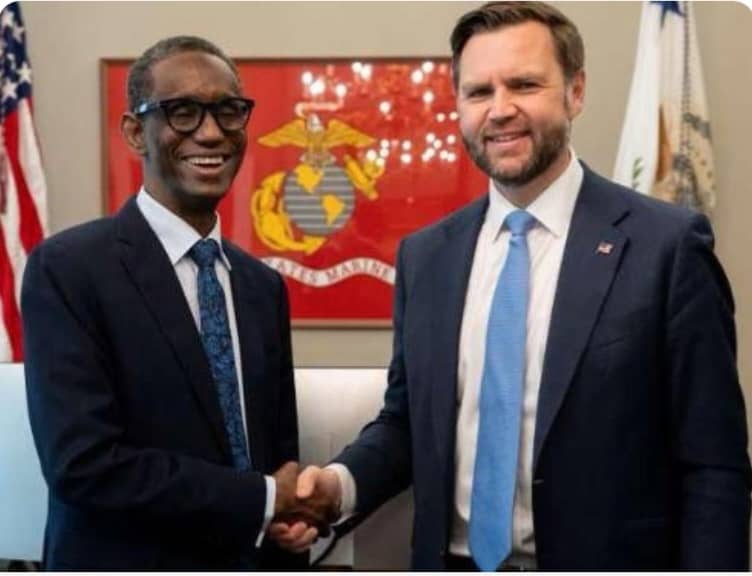
The visit by Nigeria’s National Security Adviser, Nuhu Ribadu to the United States where he held talks with Vice President JD Vance, and Secretary of State, Marco Rubio, has been described as a positive development for Nigeria’s fight against terrorism. A security analyst and columnist, Jas Keita, in a statement says that the meeting underscores the importance of the Nigerian/U. S security relationship. According to her, the meeting comes at an important time for Nigeria as it seeks to defeat terrorist groups that are seeking to undermine the government, destroying lives and livelihoods across the country. The statement reads in part: “Security cooperation between the United States and Nigeria were central to these discussions. This comes against the backdrop of escalating terrorist activity in Nigeria. Two weeks ago, ISIS militants killed at least 29 people in an attack in Guyaku, a village in Adamawa state, while Boko Haram killed 11 people during a raid on a village in Borno State. This escalation of violence and destruction poses a serious threat to the social and economic stability of Nigeria. Nigeria must do all it can to destroy the ability and operational capacity of groups such as ISIS or Boko Haram to wage war against its people.”Despite widespread commentary, driven often by foreign actors, the United States has remained a steadfast ally to Nigeria in its determination to destroy those groups who seek to destroy Nigeria. While some commentators seek to criticise the government for such visits, it’s clear that ordinary people whose lives and livelihoods are being destroyed by these groups, want to see immediate, urgent and effective action against these groups. Working with the United States to empower Nigerian Security forces is the quickest and most effective way to this result. “Of course, people will remember the 2025 Christmas day strikes where the U.S working with Nigerian security forces undertook a series of attacks against these terrorist groups. But that cooperation continued in the months following the attack. In February, a team of U.S. Special Forces personnel were deployed on the ground. Their mission was to provide direct technical and information support to Nigerian security forces. As well as training support, they have provided invaluable technical and strategic insight developed over decades of providing similar support across the globe.”This type of support cannot be underestimated. To see a contrast, one simply needs to look at events in Mali and the failure of Russia’s assistance to the government there. Empowering our security forces, ensuring they have the skills and insights is a critical element to ensuring we defeat terrorist groups.”One of the strands of commentary after the Christmas day strikes was if we even needed American support. Put simply, yes, we are facing a substantial threat from these terrorist groups. They are well armed, well organised and well financed. They are committed to destroying the legitimately elected government and imposing their own vision on our country. They have shown time and time again they have no interest in the welfare of our people, rather they will kill anyone who disagrees with them or simply is in the wrong place at the wrong time.”Nigeria is facing an existential threat from these terrorist groups. They do not care about our way of life or the welfare of our people. Nigeria cannot become prosperous unless it rids itself of these terrorist organisations. The ongoing security crisis creates an environment of instability and fear that means our people cannot expect to thrive. Nigeria has a prosperous economic future ahead and can create a brighter future for all its people, but this cannot happen without a stable and secure foundation. Defeating these groups not only protects the lives of our families but allows Nigeria to build a brighter economic future for all. “That is why these talks in Washington are so vital. Our country has a strong and committed ally in the United States. Despite what other foreign actors say, they have shown time and time again their willingness to expend resources to support our fight against terrorism. Strengthening and deepening this relationship must be a key strategic priority for our government and we must ensure it endures. Doing so, will ensure our own people have the skills, insights and resources to defeat these groups. Doing so, will provide the stability that will underpin our future economic and social growth.”
NEWS
Security expert hails US partnership to prevent terror bases in Africa using actionable intelligence
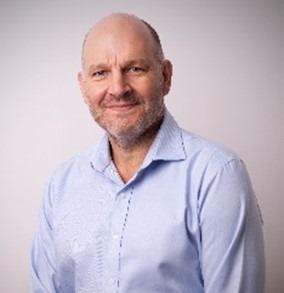
The US 2026 Counterterrorism Strategy has been commended for its focus on disrupting terrorist networks across Africa, especially in the Sahel. In a paper tilted: The US 2026 Counterterrorism Strategy and Its Implications for Nigeria and the Sahel, a security expert, Lieutenant Colonel Freddie Grounds (Retired), said the move represents a significant development in American security policy, reflecting both lessons learned from past interventions and the current and rapidly shifting geography of global extremist threats. He said rather than relying on previously favoured large-scale deployments, the revised U.S. strategy emphasises partnerships, intelligence-driven operations, and capacity-building. He stated: “Africa, particularly Nigeria and the Sahel, has emerged as a central focus, given the persistence of violent extremist organisations such as Boko Haram, Islamic State West Africa Province (ISWAP), and al-Qaeda affiliates that exploit fragile governance and porous borders across the region.”He said the US, in demonstrating its commitment to Africa, deployed in early 2026 some 200 U.S. military personnel to Nigeria to carry out intelligence sharing, training and advisory capacity building operations, under Nigerian command authority. He added: “In early May Nigeria’s National Security Adviser (NSA), Mallam Nuhu Ribadu, undertook a three-day working visit to the United States. During the visit the NSA held a series of high-level engagements with senior officials of the U.S. government, further reinforcing the partnership between the two nations. Meanwhile the three-weeks long ‘Exercise African Lion 2026’, an annual US led multinational military exercise in Africa, involving over 5,600 troops from more than 40 nations, including African partners, NATO allies, and US forces, focusing on multi-domain operations across North and West Africa, has recently concluded.”According to the expert, at the heart of the new US Counterterrorism Strategy is a deeper commitment to intelligence sharing and partner-force development. Hear him: “The US Government seeks to provide actionable intelligence to African governments, enabling them to disrupt extremist networks before they can establish operational bases in their countries. This approach reflects a recognition that local African ownership and sustainability are critical to long-term success. The US also pledges to protect vulnerable communities, including Christians and other groups frequently targeted by extremist violence, emphasising the critical but often overlooked human rights element of counterterrorism.”He said Nigeria occupies a pivotal role in this new strategy. “As a frontline state in the Lake Chad Basin, Nigeria faces persistent threats from Boko Haram and ISWAP, whose operations extend into Niger, Chad, and Cameroon. The US has deepened cooperation with Nigeria since 2025 as illustrated by recent high-level meetings between Nigerian officials and American leadership. This partnership has already produced measurable results, including US airstrikes against ISWAP in late December 2025 which was assessed to have killed between 150-200 militants and destroyed several Islamic State-linked camps in Sokoto State, and was acknowledged as the first American combat action inside Nigeria. Beyond military collaboration, Nigeria has adopted a whole-of-government approach, combining kinetic operations with community engagement, deradicalisation programs, and economic initiatives aimed at addressing the root causes of extremism.”Grounds said the Counterterrorism Strategy also links Nigeria’s efforts to the broader Sahel, where continued regional instability in Mali, Burkina Faso, and Niger has created fertile ground for extremist expansion. He commended the Nigeria-US Joint Working Group, a bilateral security and governance framework established in late 2025, which seeks to coordinate intelligence, border security, and counterterrorism aid across the region, recognizing that insurgencies in the Sahel and Lake Chad Basin are interconnected and that such extremist groups exploit weak governance, corruption, and marginalized communities, blurring the lines between terrorism and organized crime. He said this overlap with transnational crime, including arms trafficking and smuggling, complicates security responses and requires a regional approach.The paper reads: “The outcomes of the Africa Forward Summit 2026, which concluded in Kenya this week, provide an important complement to the new Counterterrorism Strategy. African leaders from across the continent pledged to intensify efforts against terrorism, cybercrime, arms trafficking, and organized crime, precisely the same threats which are identified in the US Strategy. The Summit’s emphasis on sustainable financing for AU peace operations and stronger UN-AU cooperation under Resolution 2719 aligns well with Washington’s push for burden-sharing and regional ownership. Calls for UN Security Council reform highlight Africa’s determination to shape global governance structures, ensuring that the continent’s counterterrorism strategies are not imposed by external actors but co-designed and implemented in partnership with African states.”Equally significant are African-led regional mechanisms such as the Nouakchott Process, launched in 2013, which has created a framework for intelligence-sharing and joint operations among Sahelian states, helping to counter cross-border extremist movements.”Similarly, the Accra Initiative in West Africa which has strengthened cooperation among coastal states like Ghana, Côte d’Ivoire, and Benin to prevent the spillover of Sahelian insurgencies. These initiatives clearly demonstrate Africa’s capacity to build its own security architecture, complementing US efforts and reinforcing the Africa Forward Summit’s call for African-led solutions.”Despite these advances, challenges remain. Analysts warn of sovereignty concerns, cautioning that Nigeria must balance cooperation with the US against risks of subordinating its strategic autonomy to US calculations. While American support strengthens Nigeria’s capacity, it also raises questions about dependency and the long-term sustainability of external assistance. Moreover, governance deficits across the Sahel undermine counterterrorism efforts and without reforms that enhance legitimacy, accountability, and resilience, military gains risk being temporary.”In summary, the US 2026 Counterterrorism Strategy represents a pragmatic, recalibrated approach to global security, recognising that instability in Nigeria and the Sahel carries consequences that extend far beyond the region, from refugee flows to the spread of extremist ideology. Emphasising intelligence, partnership-driven security, and local capacity-building, the strategy positions Nigeria as a frontline state central to stabilising West Africa, while acknowledging that the interconnected nature of Sahelian instability demands regional solutions. Its effectiveness will depend not only on military cooperation but also on governance reforms, sustainable financing, and the ability of local governments to deliver tangible improvements in security and development goals reinforced by the Africa Forward Summit outcomes and embedded within African-led frameworks such as the Nouakchott Process and Accra Initiative, which lend the strategy both depth and legitimacy.”


Expert praises Trump’s US Security Strategy for Africa: Surgical strikes with local cooperation

Ribadu’s talks with JD Vance, Rubio decisive for Nigeria’s counterterrorism fight – Security Expert

Security expert hails US partnership to prevent terror bases in Africa using actionable intelligence
Regberegbe 1986, 87 and 88 Appoints Deputy Speaker As Adviser Okunrin

9mobile, Kantar Discuss Building Impactful Brands for the Future
dLocal Enables Payments from Verve Cards and Tokens for Global Merchants
-
 Brand1 day ago
Nestlé Nigeria Concludes 15-Year Anniversary Celebration of its Technical Training Centre with 20 New Graduates from Abaji Factory
-

 Cover17 hours ago
How Primate Ayodele Foretold Fresh Outbreak Of Ebola Virus In Africa (VIDEO)
-

 NEWS33 minutes ago
Wema Bank Announces Last Call for Submission of Entries for One-Day MD/CEO Children’s Day Initiative
-

 Opinion52 minutes ago
The Reality of Aligning Product, Growth, and Brand – Ememobong Udofot
-
 NEWS19 minutes ago
Ribadu’s talks with JD Vance, Rubio decisive for Nigeria’s counterterrorism fight – Security Expert
-
 Business39 minutes ago
African Marketplace 2026 Returns To Dubai In October
-
 NEWS24 minutes ago
Security expert hails US partnership to prevent terror bases in Africa using actionable intelligence
-
 NEWS14 minutes ago
Expert praises Trump’s US Security Strategy for Africa: Surgical strikes with local cooperation