
Brand
MAGGI Chicken Flavour Cubes with New Improved Taste and Double Cubes Unveiled at Creators’ Conference


MAGGI Chicken flavour seasoning cubes have been relaunched with a refreshing blend of spices including onion, turmeric and celery and a boosted Chicken flavour to delight even more Nigerian consumers. It is also now available in double-cubes for double the convenience which also translates into reduced packaging materials. This milestone marks a win for consumers and for the planet as Nestlé works towards a waste-free future. The announcement was made on the sidelines of MAGGI Creators Conference, a new platform to connect the brand with food enthusiasts, chefs and food content creators. The event, organized in partnership with TikTok, was an opportunity for experts to share their knowledge and collaborate on innovative digital food storytelling to UNVEIL the double goodness of the all-new MAGGI Chicken flavour seasoning cubes. Wassim Elhusseini, Chief Executive Officer of Nestlé Nigeria, commented: “We are excited to announce the relaunch of MAGGI Chicken Flavour Seasoning Cubes to bring an enhanced culinary experience to Nigerian consumers. With the double cube format, we are on a journey to reduce packaging used in our production process by 25%. This approach is part of Nestlé’s ongoing efforts to protect our planet. We remain committed to growing our business in Nigeria sustainably.” Rahamatou Palm Zakari-Adamou, MAGGI Category Manager at Nestlé Nigeria, added: “We are dedicated to providing seasoning cubes that enhance mealtimes for millions of Nigerian families. MAGGI has been a part of Nigerian cuisine for decades and is committed to always deliver delicious taste and aroma as well as remain a trusted ally to the Cooks. Nestlé leverages insights and feedback from consumers to develop products adapted to local preferences and cooking styles. MAGGI seasoning cubes are sold all over Nigeria.
Brand
MTN Brings Live It 100 on Campus Experience to DELSU, Nursing Science Student Wins Brand New Car
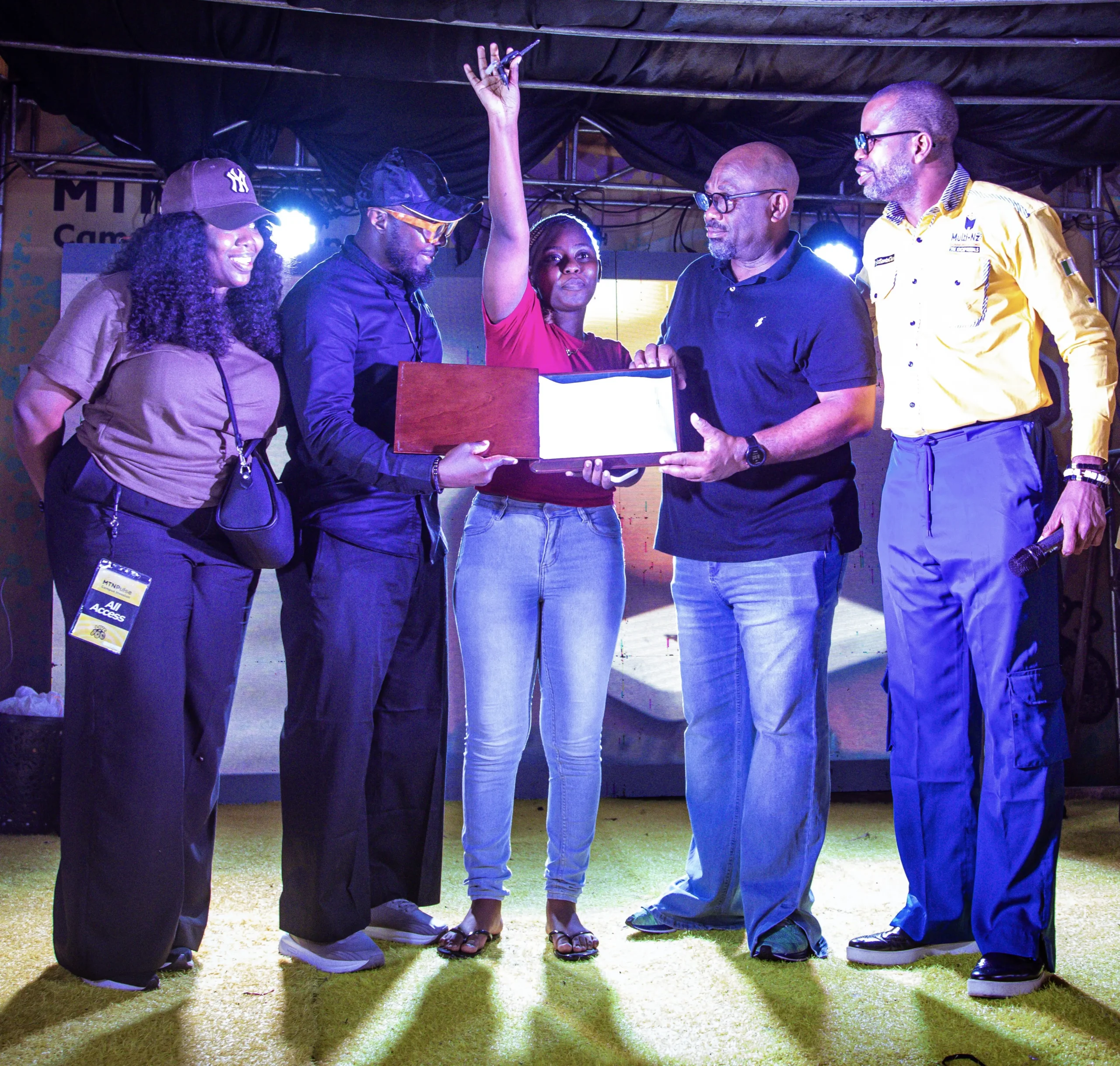
Thousands of students of Delta State University (DELSU), Abraka, turned out for MTN’s Live It 100 on Campus activation, a three-day engagement that combined entertainment, gaming, brand experiences and giveaways, culminating in the presentation of a brand-new car to a lucky student. The activation, which ran from Wednesday, June 17 to Friday, June 19, 2026, transformed Campus 3 of the university into a vibrant hub of activities as students participated in games, interactive experiences, prize giveaways and entertainment programmes designed to engage and reward young people. Speaking at the grand finale of the three-day activation, Senior Manager, Segment Marketing (Youth, Women and Teens), MTN Nigeria, Temilolu Salako, said the initiative reflects MTN’s commitment to supporting young Nigerians beyond connectivity by creating opportunities for engagement, empowerment and recreation. According to him, MTN Pulse was designed to connect with young people in ways that support both their academic journey and personal aspirations. “MTN Pulse is an impactful campus initiative created to celebrate and support young people. We want students to have opportunities to learn, connect, showcase their talents and enjoy memorable experiences while on campus,” he said. Salako stated that the activation has continued to expand across tertiary institutions nationwide as part of MTN’s broader commitment to youth development and engagement. The university management commended the initiative, describing it as a valuable contribution to student welfare and wellbeing. Representing the Vice Chancellor, the Dean of Students’ Affairs, Prof. Vincent Efebeh, praised MTN for its continued investment in young people and for creating opportunities that combine learning, recreation and community engagement. He said the activation had provided students with an avenue to relax, interact and recharge outside the classroom environment. The President of the Students’ Union Government (SUG), Comrade Kingsley Dumuje, also lauded the initiative, describing it as one that resonated strongly with students. According to him, the programme is a demonstration of MTN’s understanding of what matters to students beyond the classroom, combining entertainment, engagement and meaningful rewards in a way that resonates with young people. The high point of the event came during the raffle draw on the final day when Joyce Obarakpor, a 200-level Nursing Science student of the school emerged winner of a brand-new car, sparking excitement across the venue. Expressing gratitude, Obarakpor said she had imagined winning before the event and dedicated the win to her mother, describing her as her greatest support system. “My mum is going to be very excited because she has sacrificed so much to make sure my siblings and I go to school. I just want to say thank you to MTN. I’m very happy and very excited,” she said. Live It 100 on Campus is part of MTN Pulse’s youth engagement platform designed to connect with students through experiences that bring together entertainment, learning and opportunities, while strengthening the brand’s relationship with young Nigerians across tertiary institutions nationwide.
Brand
DAVIDHALL INTERNATIONAL COLLEGE, LAGOS STATE, AND ADO GRAMMAR SCHOOL, EKITI STATE, WIN MILO WESTERN CONFERENCE TITLES
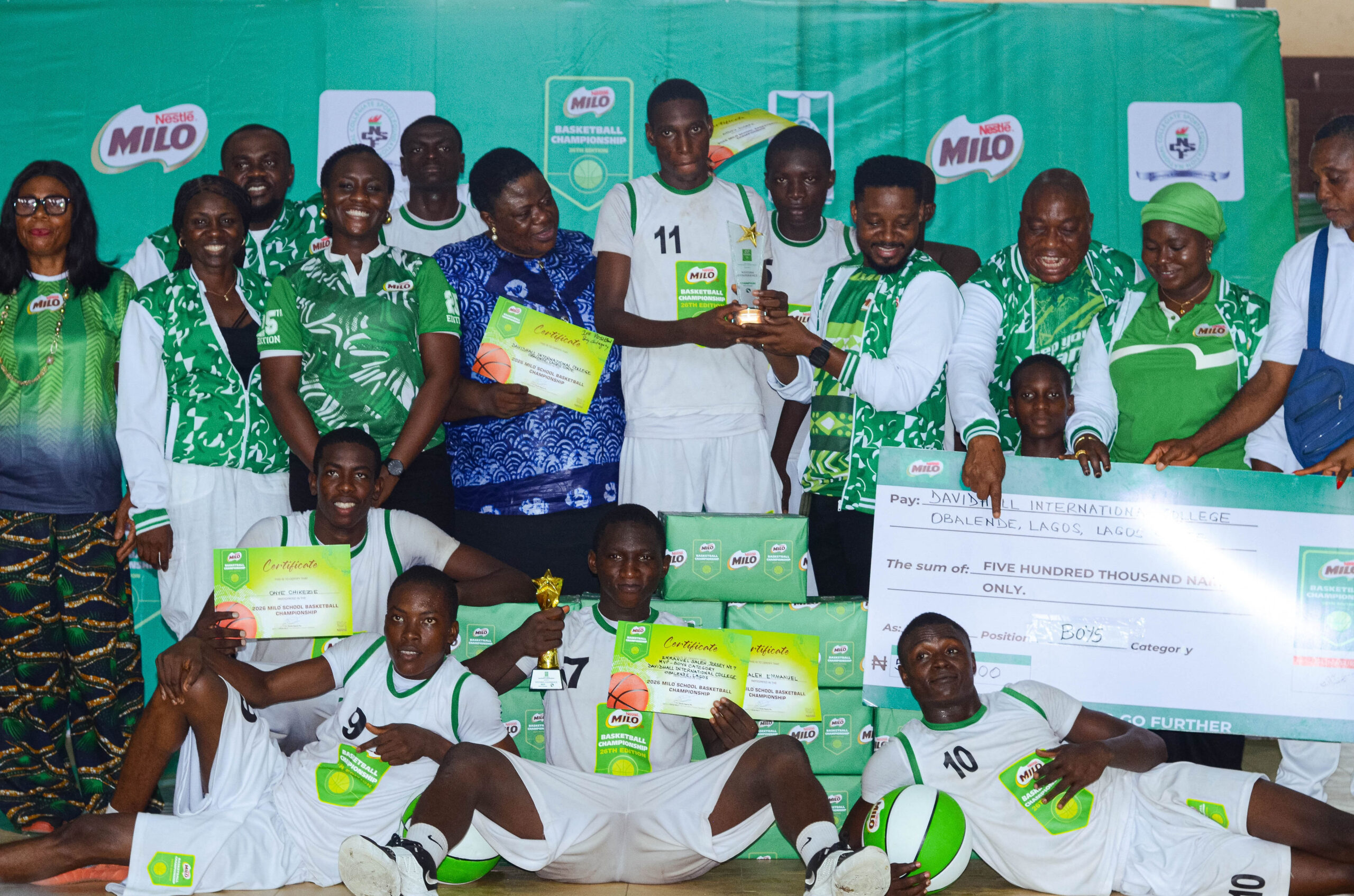
The road to the 26th MILO Basketball Championship National Finals reached a significant milestone with the conclusion of the Western Conference, the fourth and final regional conference of the championship. The conference saw Ado Grammar School, Ekiti State, and Davidhall International College, Lagos State, emerge champions in the girls’ and boys’ categories respectively, securing the final places at the National Finals.For 26 years, MILO has remained committed to youth development through school sports, using basketball as a platform to inspire discipline, teamwork, resilience and confidence among young people. This year, over 13,000 schools applied to participate in the MILO Basketball Championship nationwide, reflecting the continued growth and impact of the platform.Nine schools in each category competed with passion and determination for the final available places in the championship finale. In the girls’ category, Ado Grammar School, Ekiti State, secured a hard-fought 53–49 victory over Lanreleke Academy, Osun State. The win marks a significant achievement for the school as it qualifies for the National Finals for the first time.In the boys’ category, Davidhall International College, Lagos State, defeated God’s Blessings Comprehensive College, Oyo State, in a thrilling final, emerging champions with an 82–81 victory to secure their place at the National Finals.The opening address was delivered by the Category Manager, MILO, Nestlé Nigeria Plc, Mr. Gilbert Tweneboah-Koduah, who reaffirmed MILO’s commitment to youth development through sport and highlighted the positive impact of the championship on young people across the country “At MILO, we believe that sport is one of the most powerful tools for shaping character and building future leaders. Through the Basketball Championship, we continue to provide young people with opportunities to develop discipline, resilience, teamwork and determination, qualities that will serve them well beyond the court’’ In the girls’ category, Miracle Akinola of Ado Grammar School, Ekiti State, was named Most Valuable Player. Wearing jersey number 10, she delivered an outstanding performance, contributing 22 points out of her team’s total of 53 points.In the boys’ category, Emmanuel Saleh of Davidhall International College, Lagos State, was named Most Valuable Player. Wearing jersey number 7, he contributed 19 points out of his team’s 82 points and played a key role in securing victory for his team.The event was attended by dignitaries from the Oyo State Ministry of Education, as well as representatives of the Nigeria School Sport Federation (NSSF), the National Council on School Sport (NCSS), and FIBA.The conclusion of the Western Conference marks the completion of the regional phase of the 26th MILO Basketball Championship, following successful conferences across the country.The Savannah Conference saw Government Secondary School, Zing, Taraba State, emerge girls’ champions, while Family Support Programme Secondary School, Katsina State, won the boys’ category. The Central Conference followed, producing Government Secondary School, Gboko, Benue State, and Father O’Connell Science College, Niger State, as champions in the girls’ and boys’ categories respectively. At the Atlantic Conference, St. Jude Girls Secondary School, Bayelsa State, and King Amakree Academy, Rivers State, secured the regional titles in the girls’ and boys’ categories respectively.With the conclusion of the Western Conference, all regional champions for the 26th MILO Basketball Championship have now emerged, completing the lineup for the National Finals scheduled to take place on July 2, 2026, at the National Stadium, Surulere, Lagos.
Brand
St. Jude Girls Secondary School, Bayelsa, and King Amakree Academy, Rivers, Win MILO Atlantic Conference Titles
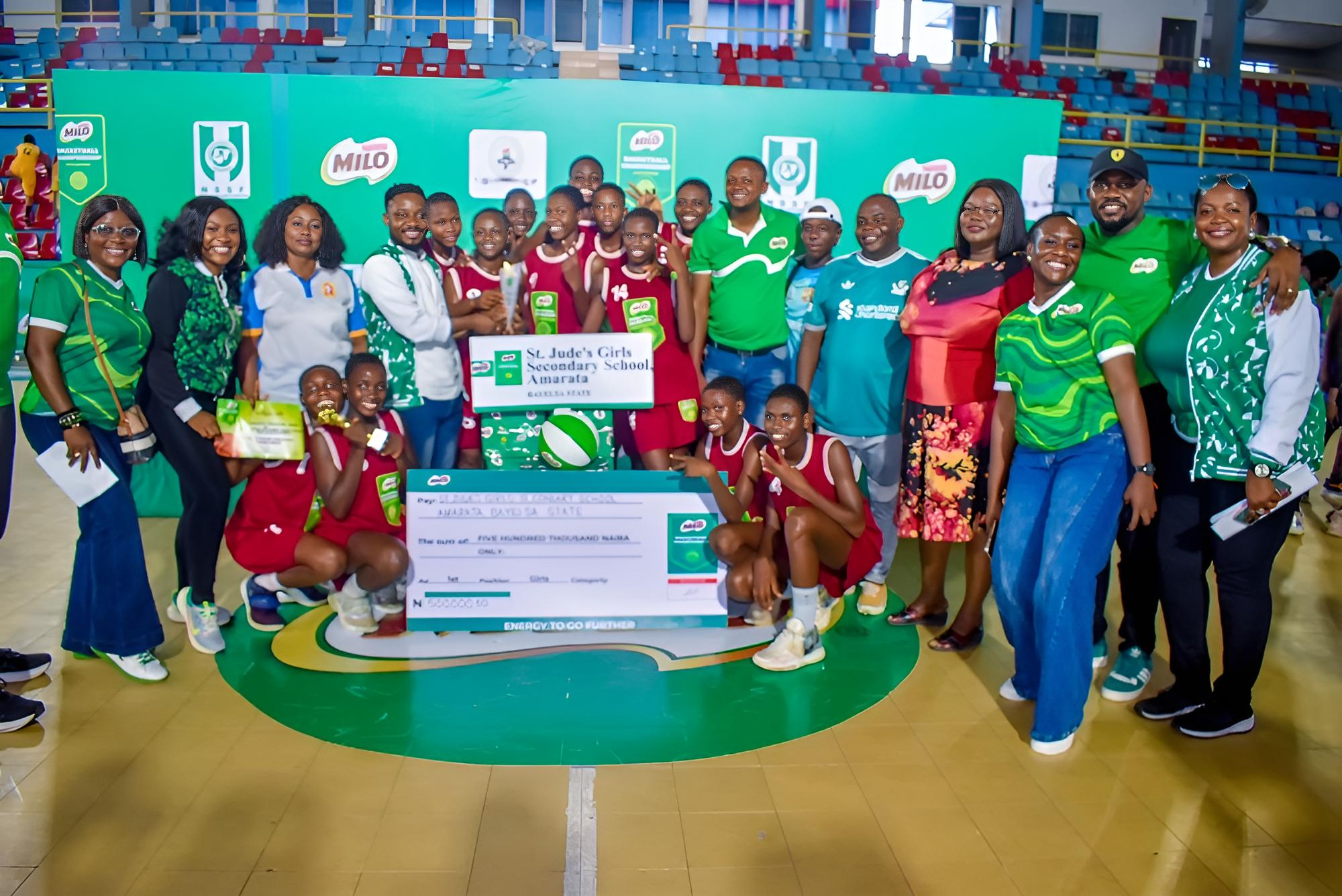
The road to the 26th MILO Basketball Championship National Finals continued with the successful conclusion of the Atlantic Conference, the third regional conference of the championship, held at the Stephen Keshi Stadium, Asaba, Delta State, where St. Jude Girls Secondary School, Amarata, Bayelsa State, and King Amakree Academy, Rivers State, emerged champions in the girls’ and boys’ categories respectively.
For 26 years, MILO has remained committed to youth development through school sports, using basketball as a platform to inspire discipline, teamwork, resilience and confidence among young people. This year, over 13,000 schools applied to participate in the MILO Basketball Championship nationwide, reflecting the continued growth and relevance of the platform.
Nine schools in each category competed with passion and determination for a place at the National Finals, with only the regional champions advancing to the next stage of the competition. At the end of the contest, St. Jude Girls Secondary School emerged champions in the girls’ category after defeating Urhobo College 46–25, while King Amakree Academy secured the boys’ title with a hard-fought 47–44 victory over Urhobo College.
The opening address was delivered by the Category Manager, MILO, Nestlé Nigeria Plc, Mr. Gilbert Tweneboah-Koduah, who highlighted the role of the championship in inspiring young athletes to pursue excellence beyond the game.
“Every game played at this championship reminds us of the courage, determination and promise that exist in our young people. These students are not only competing for medals; they are learning to believe in themselves, to work as a team, and to rise above challenges. At MILO, we are proud to continue supporting a platform that helps young people turn their passion into purpose,” he said.
In the girls’ category, Anthonia Obokawe of St. Jude Girls Secondary School, Amarata, Bayelsa State, was named Most Valuable Player. Wearing jersey number 4, she contributed 12 points out of her team’s 46 points, playing a key role in their victory.
In the boys’ category, Edmund Hart of King Amakree Academy, Rivers State, was named Most Valuable Player after delivering an outstanding performance, contributing 22 points out of their team’s 47 points.
The event was attended by dignitaries from the Delta State Ministry of Education, as well as representatives from NSSF, NCSF and FIBA.
The journey to the 26th MILO Basketball Championship National Finals has progressed through key regional stages across the country.
From the Savannah Conference, where Government Secondary School, Zing, Taraba State, emerged girls’ champions and Family Support Programme Secondary School, Katsina State, won the boys’ category. To the Central Conference, where Government Secondary School, Gboko, Benue State, secured the girls’ title and Father O’Connell Science College, Niger State, emerged boys’ champions. And now to the Atlantic Conference, where St. Jude Girls Secondary School, Bayelsa State, and King Amakree Academy, Rivers State, emerged champions in the girls’ and boys’ categories respectively.
Attention now turns to the Western Conference, the final regional stage, where winning schools will secure places at the 26th MILO Basketball Championship National Finals scheduled for July 2, 2026, at the National Stadium, Surulere, Lagos.


Minister backtracks, says Adire not approved for NYSC

Rescue Mission: Governor Dauda Lawal Approves N7.2 billion for Community Projects Across Zamfara

ICPC, PenCom recover N3bn unremitted pension deductions from defaulting firms
Regberegbe 1986, 87 and 88 Appoints Deputy Speaker As Adviser Okunrin

9mobile, Kantar Discuss Building Impactful Brands for the Future
dLocal Enables Payments from Verve Cards and Tokens for Global Merchants
-

 Banking and Finance1 day ago
Wema Bank Announces the 7th Edition of Hackaholics
-

 Business1 day ago
Interswitch Calls for Greater Investment in Energy Infrastructure to Accelerate Financial Inclusion Across Africa
-

 NEWS1 day ago
FMDQ Group PLC Appoints Chief Executive Officer and Welcomes New Board Leadership
-
 NEWS1 day ago
ICPC, PenCom recover N3bn unremitted pension deductions from defaulting firms
-

 NEWS2 days ago
Zamfara Governor, Dauda Lawal Shakes Up Cabinet, Moves Budget Commissioner to Education
-

 Cover1 day ago
Church Leader Who Ushers: Low-Key Lifestyle of A Loud Prophet, Elijah Ayodele
-
 Banking and Finance1 day ago
Access Bank UK Polo Day Drives Global Support for Education of Vulnerable Children
-

 NEWS1 day ago
DSS Arrests Former Minister Geoffrey Nnaji; Hands Over to ICPC