Tekno Credits Oliver De Coque – Says Fela Is Not Afrobeat’s Only Father
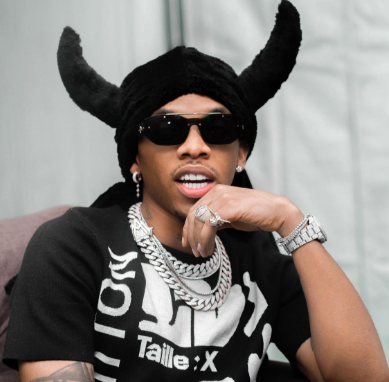
Afrobeats star Tekno has stirred a fresh music-history debate after arguing that Fela Kuti is not the only artist who shaped Afrobeat. In a clip circulating from HOT 97 and TRACE’s Worldwide Wake-Up, the Pana hitmaker says Eastern Nigerian highlife especially Oliver De Coque belongs in the origin story too.
@Alexusdeyforyou, is already making the rounds across X. On-screen text frames the interview as a blunt challenge: “Is Fela Kuti the father and creator of Afrobeat? Tekno says No.”
Tekno’s central point is credit and lineage, not a dismissal of Fela’s fame. He argues the Abami Eda became the face of the sound because he took a live band around the world, while other Nigerian architects stayed less visible internationally.
“Fela gets the credit for Afrobeat because he traveled around the world with his band, but I can tell you, a lot of artists inspired Afrobeat, not only Fela. Many artists from the East inspired Afrobeat, you can call it Highlife. Their sounds inspire Afrobeat today. For me I was inspired by Oliver De Coque.”
In another stretch of the same conversation now circulating, Tekno goes further: Fela may be “the one” to people in Lagos and among Yoruba listeners, he says, but as an Easterner he grew up with legends such as Oliver. Watch the clip here: https://x.com/Alexusdeyforyou/status/2092907952071979330/video/1
The remark sits at the crossroads of two overlapping stories Nigerians have argued for years: who invented Afrobeat, and whose regional catalogue still feeds today’s Afrobeats. Music historians generally credit Fela Anikulapo-Kuti with drummer Tony Allen for naming and defining Afrobeat in the late 1960s and early 1970s as a fusion of highlife, jazz, funk and Yoruba rhythm. Fela himself started in highlife with Koola Lobitos before the sound hardened into the political, horn-heavy machine the world now associates with Kalakuta.
That does not make Tekno’s highlife argument empty. Highlife, which took shape on the Ghanaian coast and later flourished among Igbo musicians in Nigeria, is widely treated as one of Afrobeat’s parent styles. Ghanaian highlife figure Amandzeba Nat Brew has said Fela’s Afrobeat “wouldn’t have been very successful without highlife,” pointing to collaborations with Ghanaian players such as Ebo Taylor.
thechronicle.com.ghTekno is putting Eastern Nigeria back on that family Oliver Sunday Akanite, better known as Oliver De Coque (1947–2008), was one of Igbo highlife’s defining guitarists. He fused traditional Igbo rhythm with Congolese-style guitar and called his signature pattern Ogene. Crowned “King of Highlife” by the Alaafin of Oyo in 1994, he recorded dozens of albums and left a guitar language later generations keep sampling and echoing in Afrobeats.
For Tekno — born Augustine Miles Kelechi Okechukwu and raised with Eastern roots that catalogue is personal. He is not presenting himself as Afrobeat’s inventor. He is saying the modern groove still carries highlife DNA, and that De Coque is one of the players who put it in his ear.The Fela chapter still standsFela remains the artist who turned the fusion into a global political brand: long-form songs, militant horns, pidgin sermons, and a touring machine that made “Afrobeat” a world word. That is the part Tekno does not really dispute. His argument is narrower: the credit line is too short if it stops at one name.
Online reaction has split along familiar lines. Some users praised him for naming Eastern highlife giants who rarely get the same international billing. Others pushed back that Afrobeat, as a named genre, is Fela’s construction, while De Coque’s lane was Igbo highlife/Ogene related, influential, but not the same thing. Both can be true at once. Highlife helped make Afrobeat possible. Fela named it, tightened it, and carried it abroad. De Coque and other Eastern players kept a guitar-and-praise tradition that still leaks into the records blasting from Lagos to London. Why it matters now Tekno is one of the artists who helped turn 2010s Afrobeats into a global pop language, from Duro and Pana to production work that shaped records by peers. He has also spent the past year talking more openly about craft, recovery and the next chapter after Where Did Love Go? A comment like this, coming from a star who actually makes the contemporary sound, lands differently than a historian’s footnote.
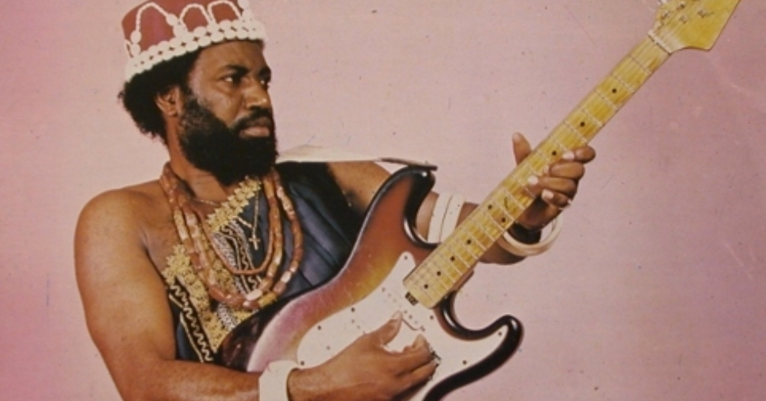
For MegaAwareness readers, the takeaway is less “Fela cancelled” than “the map is bigger.” If today’s Afrobeats still dances on highlife guitar, talking drums and Eastern melody, then Oliver De Coque is not a side character. He is part of the bloodstream.Fela took the band around the world. Tekno is asking the timeline to make room for the players who stayed home and still shaped the sound.
About The Author