NEWS
Temitope Adewale: Heralding New Era of Infrastructure Development in Ifako-Ijaiye
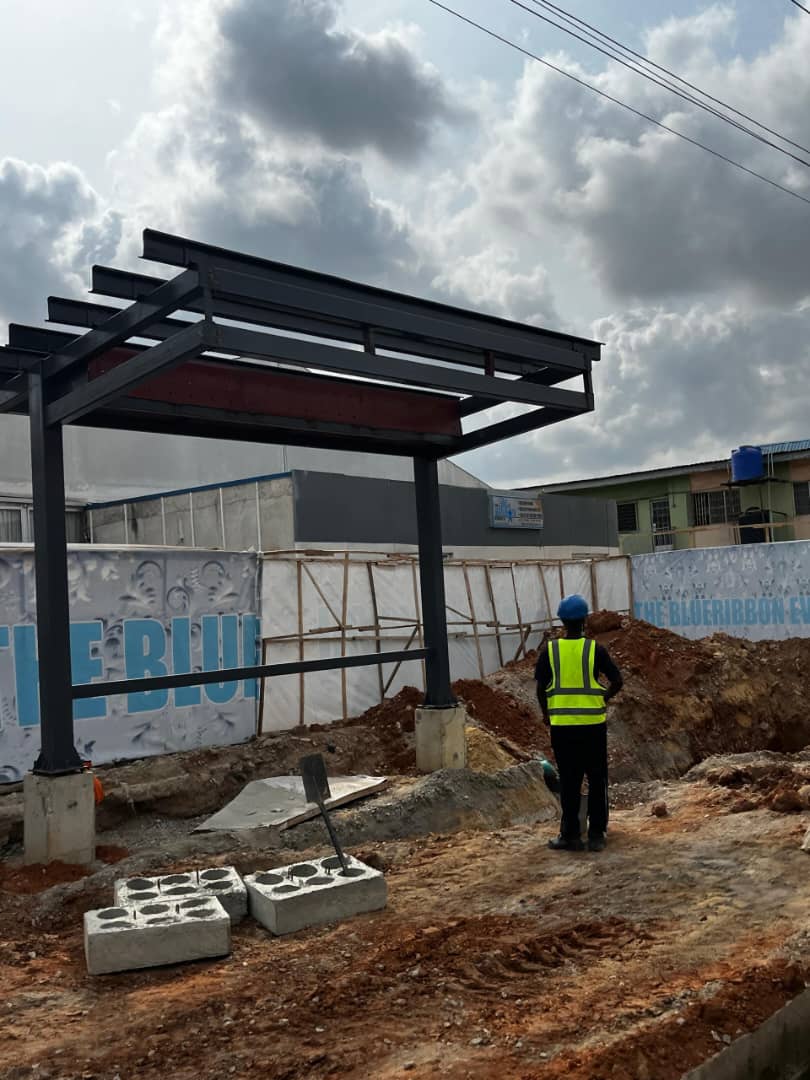
Residents of Ifako-Ijaiye Local Government Area are witnessing a new phase of infrastructural transformation as key transportation projects begin to reshape mobility and economic activity within the constituency. At the heart of this development is the ongoing rehabilitation and resurfacing of Iju Road, alongside the introduction of the Quality Bus Corridor (QBC) along the Iju–Agege-Abule-Egba transport route.
The projects represent a strategic step toward improving road infrastructure, strengthening public transport systems, and enhancing connectivity across several communities within the local government area; this is a total shift from the norm previously known.
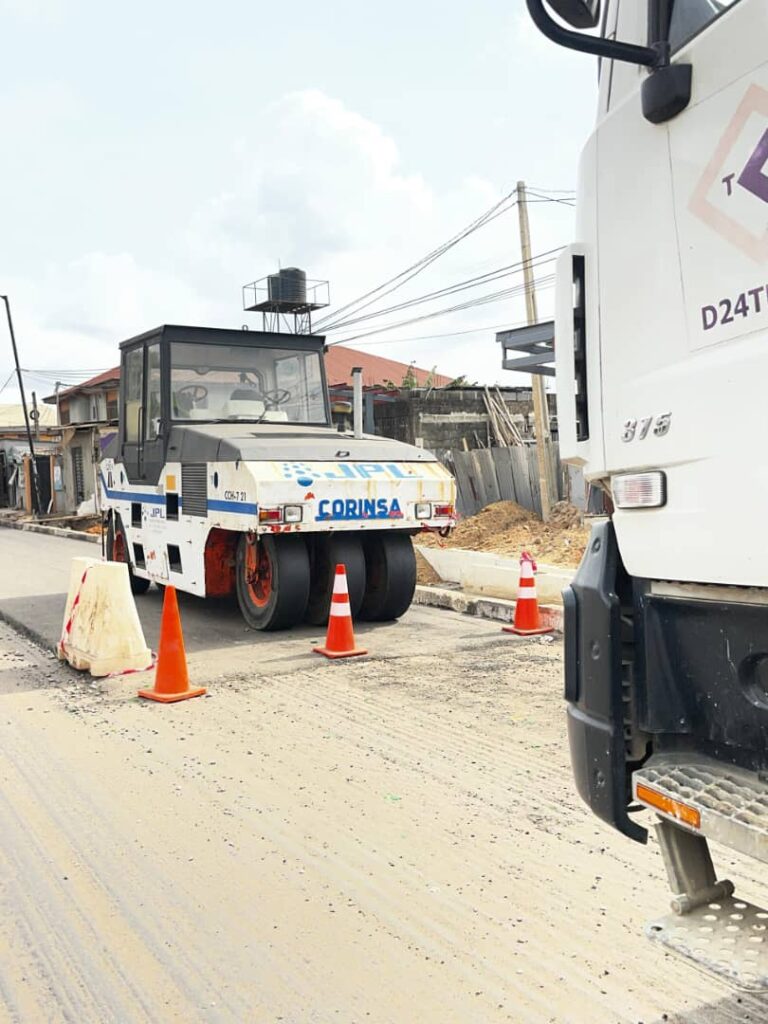
For decades, Iju Road has served as one of the most important road networks connecting Iju-Ishaga, Abule-Egba, Agege, Agbado and adjoining communities leading to neighbouring Ogun State. The road plays a crucial role in the daily movement of residents, goods, commercial operators, and commuters traveling to other parts of Lagos.
However, years of heavy usage and increasing population growth placed significant pressure on the road infrastructure, making rehabilitation necessary. The ongoing project focuses on total resurfacing of the entire stretch of the road, strengthening its structure, and improving drainage to ensure long-term durability.
Beyond restoring the road surface, the rehabilitation effort is expected to significantly improve traffic flow, reduce travel time, and enhance the overall commuting experience for thousands of residents who depend on the route daily.
In addition to the road project is the introduction of the Quality Bus Corridor initiative along the Iju–Abule-Egba axis. The project forms part of Lagos State’s broader effort to modernise urban transportation and improve the efficiency of public transit across the state.
The QBC model is designed to enhance bus operations along major transport routes by upgrading road infrastructure, improving traffic management systems, and providing better facilities for commuters.
Under the initiative, several improvements are expected along the corridor, including upgraded bus stops which are already underway, improved pedestrian walkways, traffic signal optimisation, and enhanced safety measures for road users.
These upgrades are aimed at making bus transportation faster, more reliable, and more comfortable for commuters while also reducing congestion along one of the busiest corridors in the area.
The Iju–Abule-Egba corridor serves as a major transportation link for communities across Ifako-Ijaiye and neighbouring areas. With the introduction of the QBC system and the rehabilitation of Iju Road, residents are expected to benefit from improved connectivity and more efficient access to key commercial and residential districts.
Improved road infrastructure also plays an important role in facilitating economic activities, as easier transportation enables smoother movement of goods and services across communities.
For traders, transport operators, and small business owners, better road conditions translate into reduced vehicle maintenance costs, shorter travel times, and improved productivity which is the desire of all citizens. This project will surely reduce costs of energy spent on travel time, improve lifespan through less traffic, reduce carbon emission and help achieve better health for all.
The ongoing infrastructural improvements in Ifako-Ijaiye have become a reality through the legislative advocacy and productive engagement with relevant government agencies by Hon. Adewale Temitope Adedeji, OON, member representing Ifako-Ijaiye Constituency I in the Lagos State House of Assembly, Hon. Temitope Adewale, who is also the Chairman,House Committee on Transportation has been instrumental in facilitating groundbreaking infrastructural projects to Ifako-Ijaiye Constituency 01, all in bid to improve the social outlook and transform the economic landscape of the area.
Through continuous engagement with government authorities and stakeholders, the projects have gained the support required to address longstanding transportation challenges affecting different parts of the constituency, giving residents the joy for free movements at will.
His advocacy has contributed to ensuring that Ifako-Ijaiye remains part of the broader infrastructure development agenda aimed at transforming Lagos into a modern and well-connected megacity.
Infrastructure development remains a key driver of urban growth, and the ongoing projects within Ifako-Ijaiye reflect a broader commitment to building resilient and efficient transport systems across Lagos State.
By combining road rehabilitation with modern public transport initiatives such as the Quality Bus Corridor, the state government is laying the groundwork for a more sustainable and integrated transportation network.
For residents of Ifako-Ijaiye, the transformation of Iju Road and the introduction of the QBC initiative represent more than just road construction—they signal progress toward improved mobility, stronger local economies, and a better quality of life.
As work continues along the corridor, many residents remain optimistic that these infrastructural improvements will usher in a new era of development for the local government area.
NEWS
Wema Bank Plc Sets the Record Straight on False and Misleading Publication by NDIC on Legacy Transactions Involving Defunct Gulf Bank Plc
General Comments
Wema Bank Plc has noted with concern recent media publications containing false, misleading, and wholly unsubstantiated allegations regarding the sale of certain Banana Island properties purportedly linked to the defunct Gulf Bank Plc. We unequivocally reject these claims, which are inaccurate, malicious, and clearly intended to distort the true position. For the benefit of our stakeholders—shareholders, customers, regulators, and the general public—we set out below the factual background to the transaction.The Original Exposure and DefaultIn 2002, Wema Bank Plc (the Bank) made an inter-bank placement with Gulf Bank Plc in the sum of ₦4.6 billion. By August 2004, that exposure had been reduced to approximately ₦1.2 billion, after which the outstanding obligation became delinquent. In seeking to recover depositors’ and shareholders’ funds, Wema Bank pursued lawful recovery steps, which ultimately dovetailed into a criminal investigation of the then Managing Director of Gulf Bank Plc.Based on the investigation of the Economic and Financial Crimes Commission (EFCC), the funds were found to have been diverted and used to acquire properties in Banana Island, Lagos, through two separate companies Bacad Finance & Investment Company Ltd (now known as Supra Commercial Trust Limited) and Euston Wenberg Eng Ltd. It is important to note that neither Bacad Finance & Investment Company Ltd (nor its successor, Supra Commercial Trust Limited) nor Euston Wenberg Eng Ltd is one and the same as Gulf Bank Plc. They are separate and distinct entities with no identity or equivalence to Gulf Bank. And the two companies are not subject to NDIC supervision.In the course of its investigation, the EFCC conducted asset-tracing exercises that uncovered significant underlying fraud on a substantial scale. Following the EFCC’s findings, Bacad Finance & Investment Company Ltd and Euston Wenberg Eng Ltd voluntarily relinquished their proprietary interests in the Banana Island properties towards the satisfaction of Gulf Bank Indebtedness to Wema Bank. That process formed part of Wema Bank’s lawful recovery efforts and underscores the legitimacy of its actions against Gulf Bank.NDIC’s Acknowledgment, Admission of Indebtedness, and Payment of Shortfall.Critically, following the liquidation of Gulf Bank, Nigeria Deposit Insurance Corporation (NDIC) admitted Gulf Bank’s indebtedness to Wema Bank in two separate letters:A letter dated September 26, 2007, addressed to the Federal Land Registry; andA letter dated June 10, 2009, addressed directly to Wema Bank Plc.These letters constitute clear and formal recognition by the NDIC of the validity of Wema Bank’s claim against the defunct Gulf Bank and its interest over the property in question. Fortunately, both letters form part of the documents frontloaded by NDIC lawyer Dr. Dada Awosika SAN in court in the ongoing proceedings before Justice Allagoa of the Federal High Court Lagos.Furthermore, after the sale of the properties, the NDIC in fact paid to Wema Bank, the shortfall of what was due to the Bank. These facts demonstrate that the NDIC was not only aware of the transaction but actively participated in settling the outstanding balance following the sale. In light of the foregoing:the voluntary relinquishment by Bacad (now Supra Commercial Trust Limited) and Euston Wenberg (distinct entities not constituting Gulf Bank), of the properties in Banana Island for the settlement of the indebtedness of the defunct Gulf Bank the NDIC’s formal admission of Gulf Bank’s indebtedness to Wema Bank via its letters of September 26, 2007 (to the Federal Land Registry) and June 10, 2009 (to Wema Bank), both of which have been frontloaded in court by NDIC itself, and the acknowledgement of the relinquishment of the Banana Island properties, andthe NDIC’s own payment of the shortfall to Wema Bank,NDIC is precluded from and cannot in good faith contest the relinquishment of those interests or the appropriateness of Wema Bank’s recovery efforts.While we acknowledge that the NDIC has recently commenced two separate actions against Wema Bank at the Federal High Court, Lagos, purportedly in its capacity as liquidator of Gulf Bank Plc pursuant to a winding-up order, those proceedings do not alter the material facts stated above. As these matters are currently before the court and therefore sub judice, Wema Bank will refrain from commenting further on issues that fall for judicial determination. The Bank is taking all necessary steps to contest the suits filed in court and will explore all legal and legitimate means to protect its rights and interests.ConclusionWema Bank Plc remains steadfast in its commitment to the highest standards of corporate governance, regulatory compliance, and transparency. We reaffirm our dedication to ethical and prudent banking practices and assure our shareholders, customers, regulators, and all relevant stakeholders that the Bank will continue to act responsibly, lawfully, and in the best interests of all parties it serves. The Bank will continue to exert its rights and will not succumb to the shenanigans of unscrupulous individuals who want to reap where they did not sow.FOR FURTHER INFORMATION:For further information, please contact:Johnson LebileGeneral Counsel/Legal Adviser Johnson.lebile@wemabank.com About WEMA Bank PlcWema Bank Plc (NGX: WEMABANK) is the pioneer of Africa’s first fully digital bank, ALAT, and one of Nigeria’s most resilient banks. With decades of experience in the business of banking, the Bank has remained innovative in delivering value to its stakeholders. Wema Bank operates a network of over 150 branches and service stations backed by a robust ICT platform. The publicly quoted Nigerian company has successfully built a legacy of trust and resilience that has won it the loyalty of its customers. The Bank is constantly introducing products and services tailored to the needs of its customers at every stage of their lives. It is a proud partner to more than one million individuals, families and businesses across Nigeria, helping them achieve their personal and financial goals.More information can be found at https://www.wemabank.com/about-us/
NEWS
Excitement as Zamfara Under Governor Lawal Begins Airlift of Pilgrims at Zamfara Airport
There is palpable excitement in Zamfara State as the administration of Governor Dauda Lawal officially commenced the 2026 Hajj airlift for pilgrims from the Gusau Airport (GIA). In a historic move aimed at easing the pilgrimage process, the state government announced that the first batch of pilgrims who departed for the Holy Land today, Friday, 15th May 2026.This milestone marks the fulfillment of Governor Lawal’s promise to make direct departures from Zamfara a reality, eliminating the need for pilgrims to travel to other states for airlift. However, the state government has issued a strict advisory to the public regarding conduct at the airport. To ensure security and facilitate the smooth coordination of the airlift operations, escorting pilgrims to the airport is strictly prohibited.Family members and friends wishing to bid farewell to their loved ones are directed to do so only at the Hajj Camp. The restriction, according to officials, is a necessary measure to prevent congestion and maintain order at the airport premises. Officials confirm that the airlift is now underway at Gusau International Airport. The development has been met with widespread praise from intending pilgrims, who expressed relief at being able to begin their spiritual journey directly from their home state.The Zamfara State Government extended its sincere gratitude to Governor Lawal for his commitment, emphasizing that the direct airlift reflects a new chapter of convenience and efficiency for the state’s annual Hajj operations.
NEWS
Governor Dauda Lawal Hails Troops for Successful Fight against Banditry, Terrorism across Zamfara State
Governor Dauda Lawal has commended the troops of the Joint Task Force (North West) Operation Fansan Yamma for achieving significant operational successes against bandits in Zamfara State. The troops of the Joint Task Force launched an elaborate and coordinated onslaught in the early hours of Thursday, May 7, 2026, in the Kaura Namoda and Birnin Magaji Local Government Areas of Zamfara State. Following the encounter, troops effectively neutralised three gang leaders and recovered a cache of weapons and ammunition, which included an AK-47 rifle, a machine gun, a locally fabricated handgun, seven rifle magazines and a total of 571 rounds of ammunition.Governor Lawal described the renewed military offensive as timely, particularly due to the successful operation recorded on May 10, 2026, which disrupted a significant gathering of notorious terrorist leaders and neutralised several commanders. The troops acted on an intelligence report that confirmed that the terrorists had converged at a concealed location in Tumfa Village, Shinkafi Local Government Area, with the intention to coordinate attacks and criminal activities targeting innocent communities in the state. The Air Component launched a precision airstrike on the identified terrorist hideout that successfully destroyed the structure, which served as the terrorists’ meeting point. The governor further reiterates Zamfara State Government’s commitment to ongoing support and logistics for the military and other security agencies operating in the state.