


How classrooms, digital centres, girls’ schools and basic amenities are reshaping learning across the state
By Akeweje Olayinka Fafoluyi
For years, the challenges confronting public education in Kwara were visible in the most basic places: crowded classrooms, ageing school buildings, inadequate furniture and limited access to essential facilities.
Today, the picture is changing. Across the 16 Local Government Areas of the state, construction crews have been busy putting up new classrooms, rehabilitating old ones and modernising schools. In some communities, new water facilities have appeared. In others, pupils now have access to digital literacy centres, improved sanitation and safer school compounds.
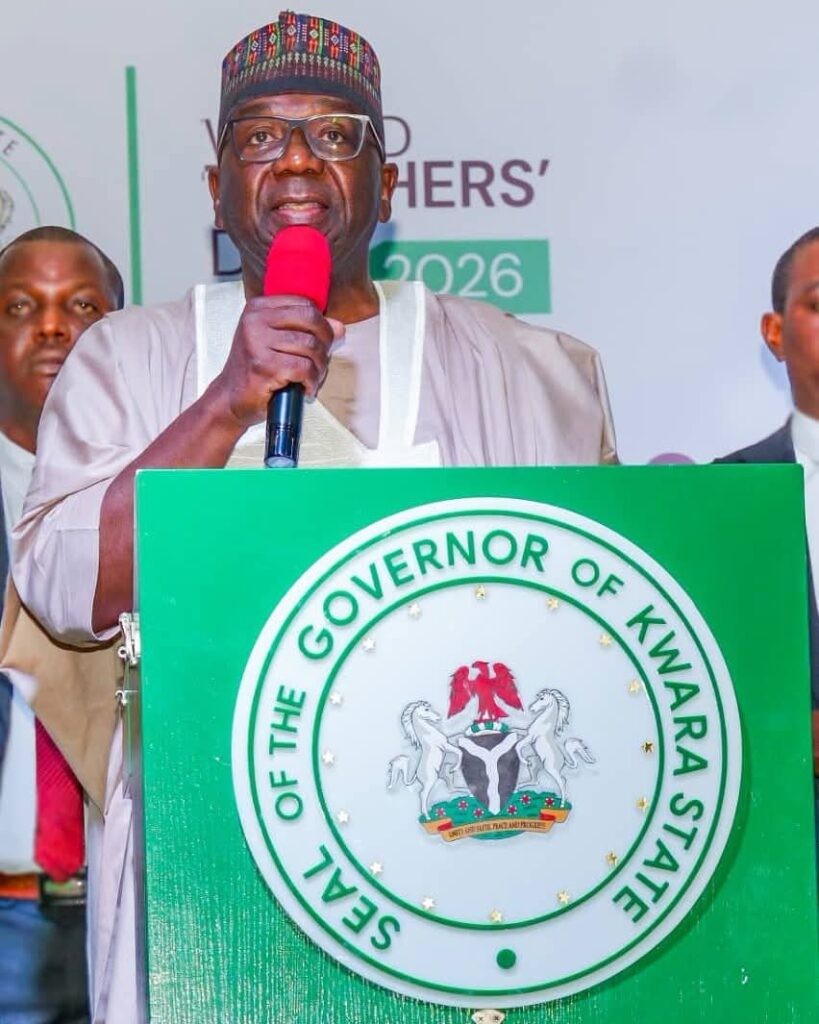
The transformation is part of the education agenda of Governor AbdulRahman AbdulRazaq, whose administration has made expanding access to quality education and improving school infrastructure a major plank of its development programme.
The figures tell part of the story. The administration has overseen the construction of 674 two-classroom blocks and 308 three-classroom blocks, while 2,395 classrooms have been rehabilitated and remodelled. Another 24 schools have undergone comprehensive remodelling.
But beyond the numbers is a wider attempt to change the experience of schooling for children across Kwara.
From Access to Affordability
One of the administration’s notable education interventions has been the introduction of KWARA AGILE, an initiative designed to strengthen access to education and improve learning outcomes, with particular attention to girls and vulnerable children.
The government has also abolished PTA levies in public primary schools, replacing them with monthly school grants.
The policy is significant in communities where even relatively small school-related charges can place pressure on low-income families.
By providing grants directly to schools, the administration has sought to reduce the financial burden on parents while giving schools resources to meet basic operational needs.
Putting Girls at the Centre
The education agenda has also given considerable attention to girls.
The administration’s interventions include programmes aimed at expanding girls’ education and empowerment, alongside targeted infrastructure for female students.
At Queen School, Ilorin, accommodation has been provided for visually impaired female students, an intervention that highlights the administration’s emphasis on inclusion.
In Opolo, an Alternative High School for Girls has also been established in collaboration with the Universal Basic Education Commission (UBEC).
The strategy is clear: educational expansion must reach children who might otherwise be excluded by gender, disability or circumstance.
A School-Building Drive Across 16 LGAs
Across the state’s 16 LGAs, the administration has embarked on an extensive construction and rehabilitation programme, adding hundreds of new classrooms while bringing existing facilities back to usable standards.
The government has also provided 67,555 sets of classroom furniture, ensuring that the expansion of physical infrastructure is matched by basic learning equipment.
In Adeta, the education landscape is being further expanded through the establishment of a Smart Model UBE School, in partnership with UBEC, as well as the construction of a Prototype Model School.
The projects are intended to provide modern learning environments that can serve as reference points for school development in the state.
From Traditional Classrooms to Digital Learning
The changing nature of education has also informed the state’s investment in technology.
The administration has established 38 Digital Literacy Centres, creating additional opportunities for pupils to acquire basic technology skills.
For a generation entering a labour market increasingly shaped by digital technology, the centres represent an effort to ensure that children in public schools are not left on the wrong side of the digital divide.
The strategy also complements the administration’s broader emphasis on modernising the physical school environment.
The transformation extends beyond classrooms. Under the Safe Schools Initiative, 75 schools have been perimeter-fenced, providing additional protection for pupils, teachers and school property.
The government has also constructed 641 VIP toilets with WASH facilities and provided 332 solar-powered boreholes in schools.
These may appear to be modest interventions beside the headline figures for classroom construction, but they address some of the everyday conditions that influence whether children can learn in dignity and safety.
Access to water, adequate sanitation and secure school premises can make the difference between a school that merely exists and one that provides a conducive environment for learning.
Taking Education Beyond the Major Cities
The push has extended its reach to communities outside the state capital.
Three bilingual schools have been established in Ballah, Share and Banni-Kaiama, extending the administration’s educational intervention to different parts of Kwara.
The projects reflect an attempt to spread investment geographically rather than concentrate new infrastructure in Ilorin and other major urban centres.
Taken together, the interventions point to an education strategy built around three broad objectives: expanding access, improving infrastructure and making schools more inclusive and future-ready.
For the AbdulRazaq administration, the challenge is no longer simply to put more children in school, but to improve the environment in which they learn.
That means classrooms with furniture, schools with water and sanitation, secure premises, digital learning opportunities and targeted support for girls and children with disabilities.
The administration’s education record is therefore increasingly defined not by a single project, but by the scale and breadth of interventions taking place across the state.
The test, ultimately, will be measured in the lives of the children who pass through these schools; in what they learn, the opportunities they gain and the futures they are able to build.
For now, however, one thing is clear: across Kwara, the school environment is undergoing a significant physical and policy transformation.
Akeweje Olayinka Fafoluyi is the former SSA New Media to Governor AbdulRahman AbdulRazaq and APC Candidate for Irepodun State Constituency.